Safety Heat Exchangers
Maximum Safety Through Double Tube Construction
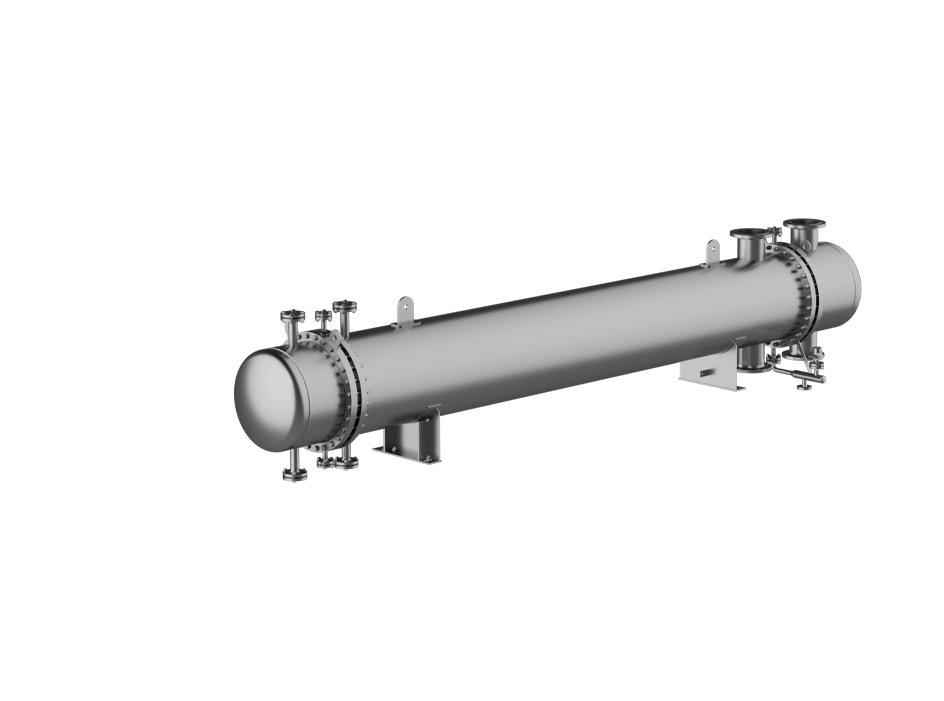
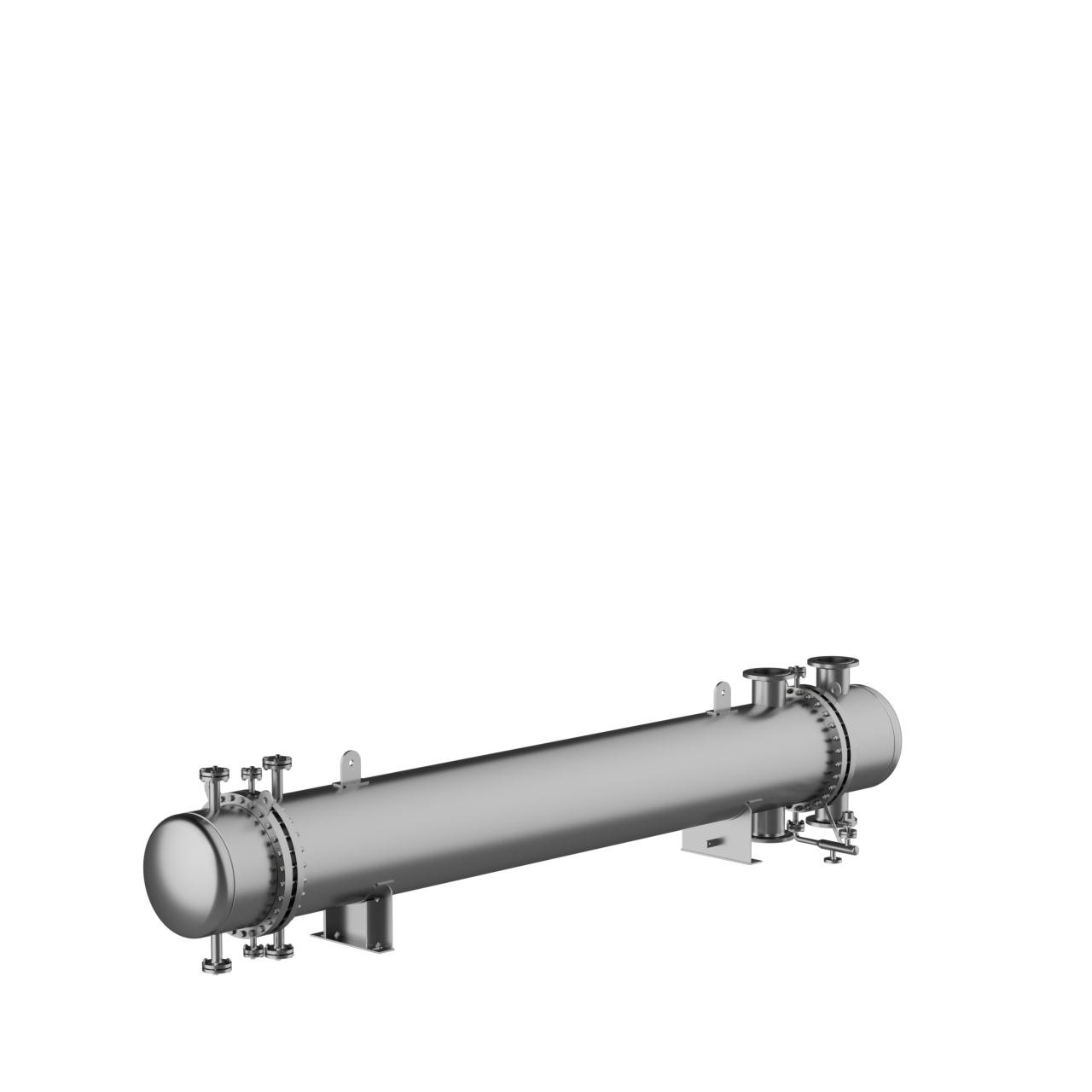
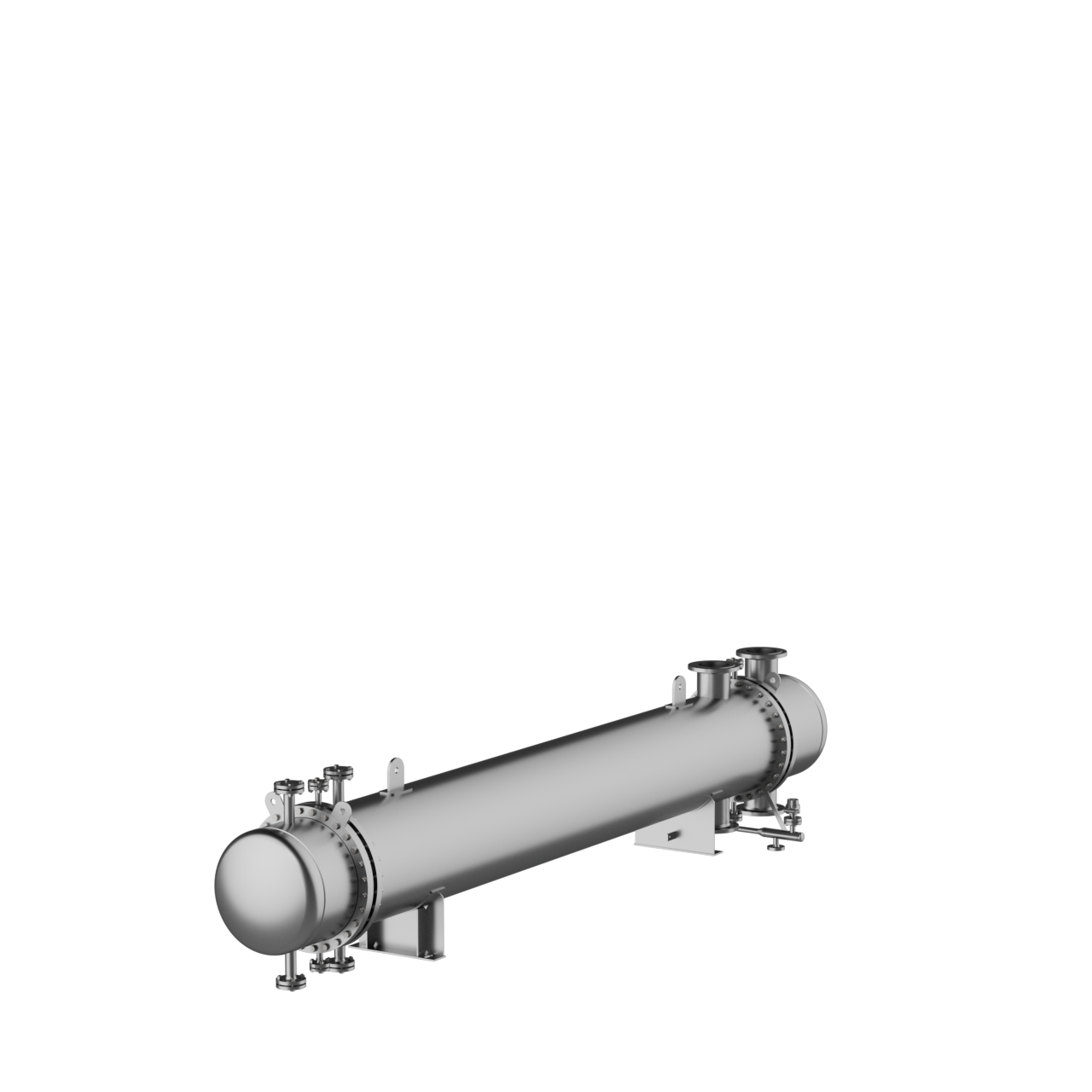
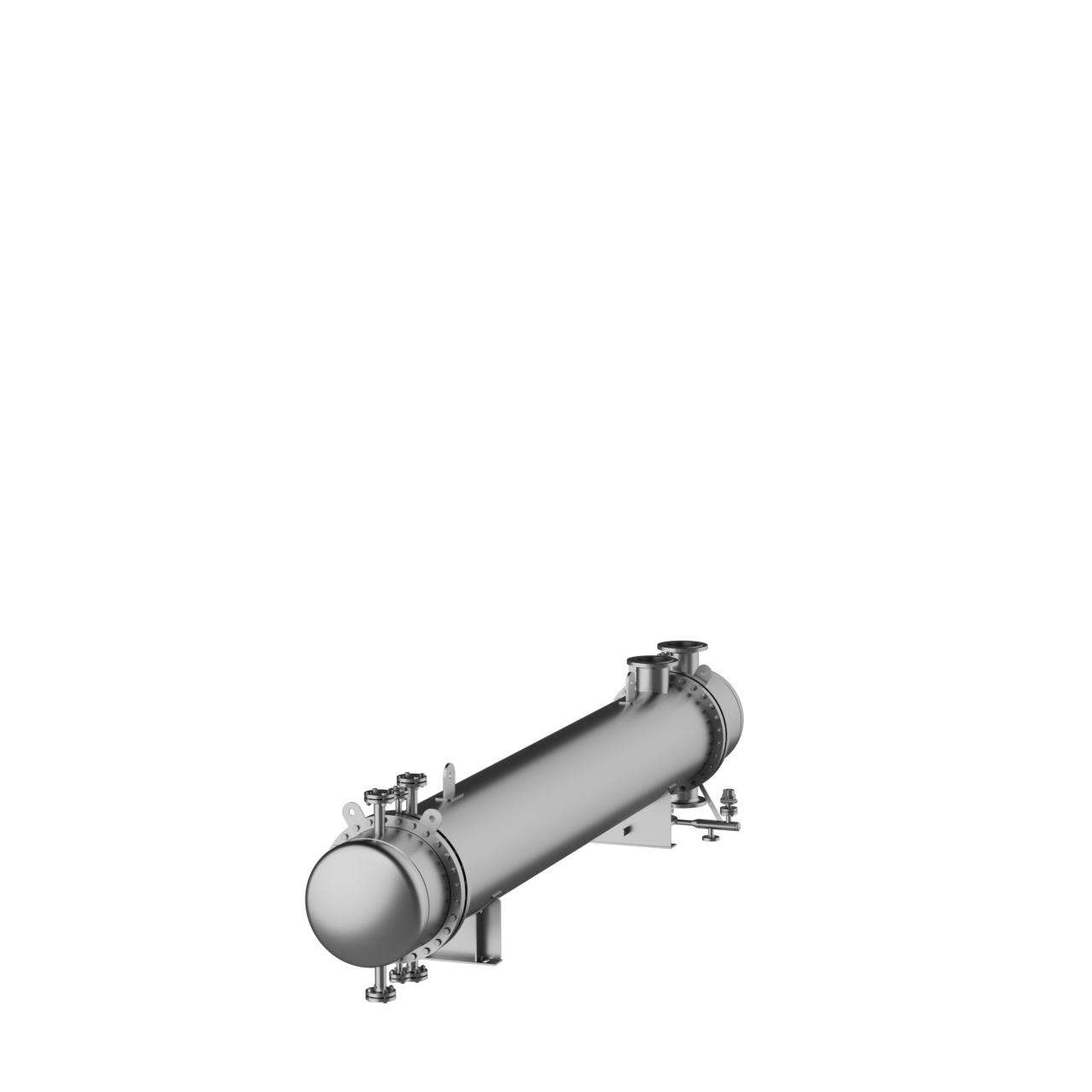
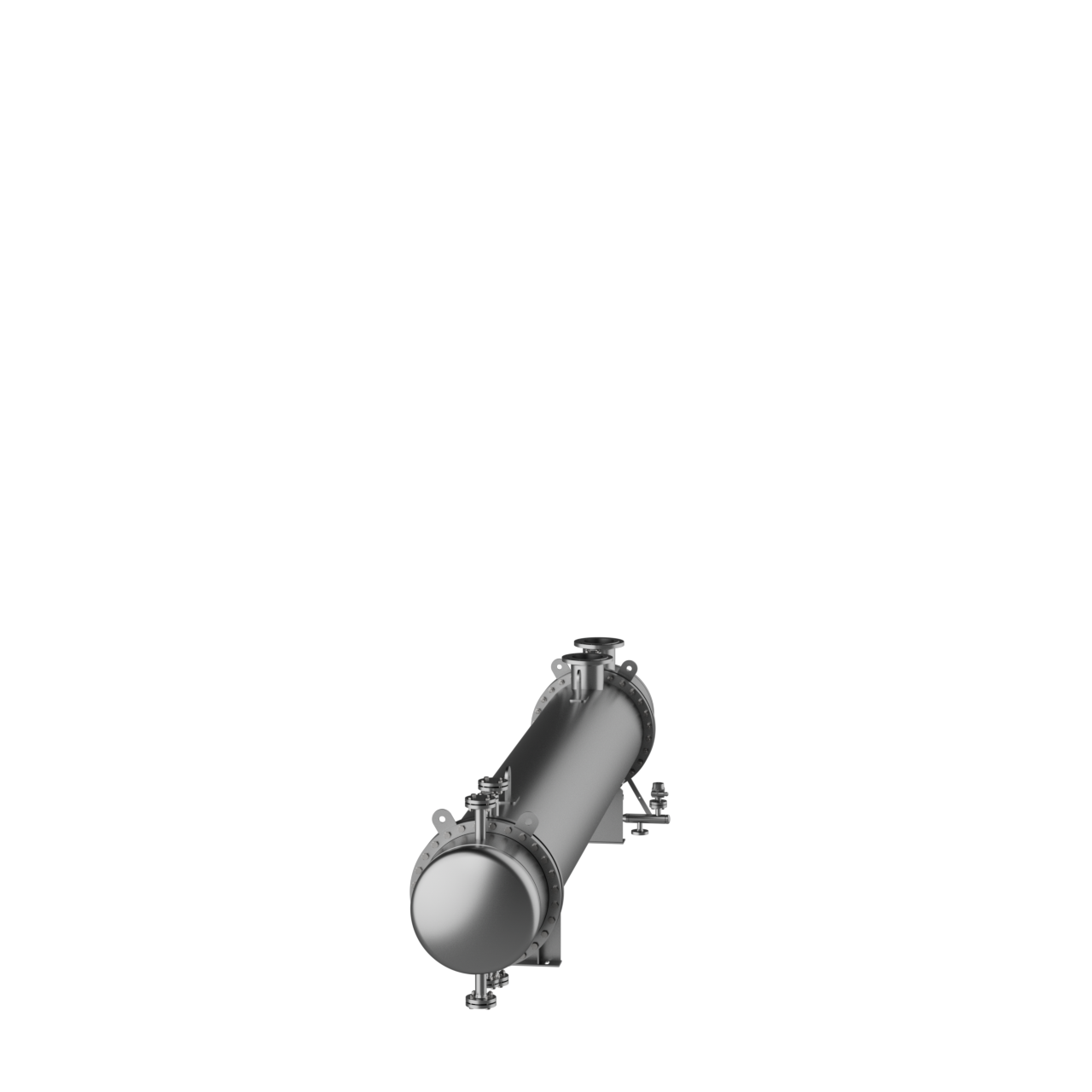
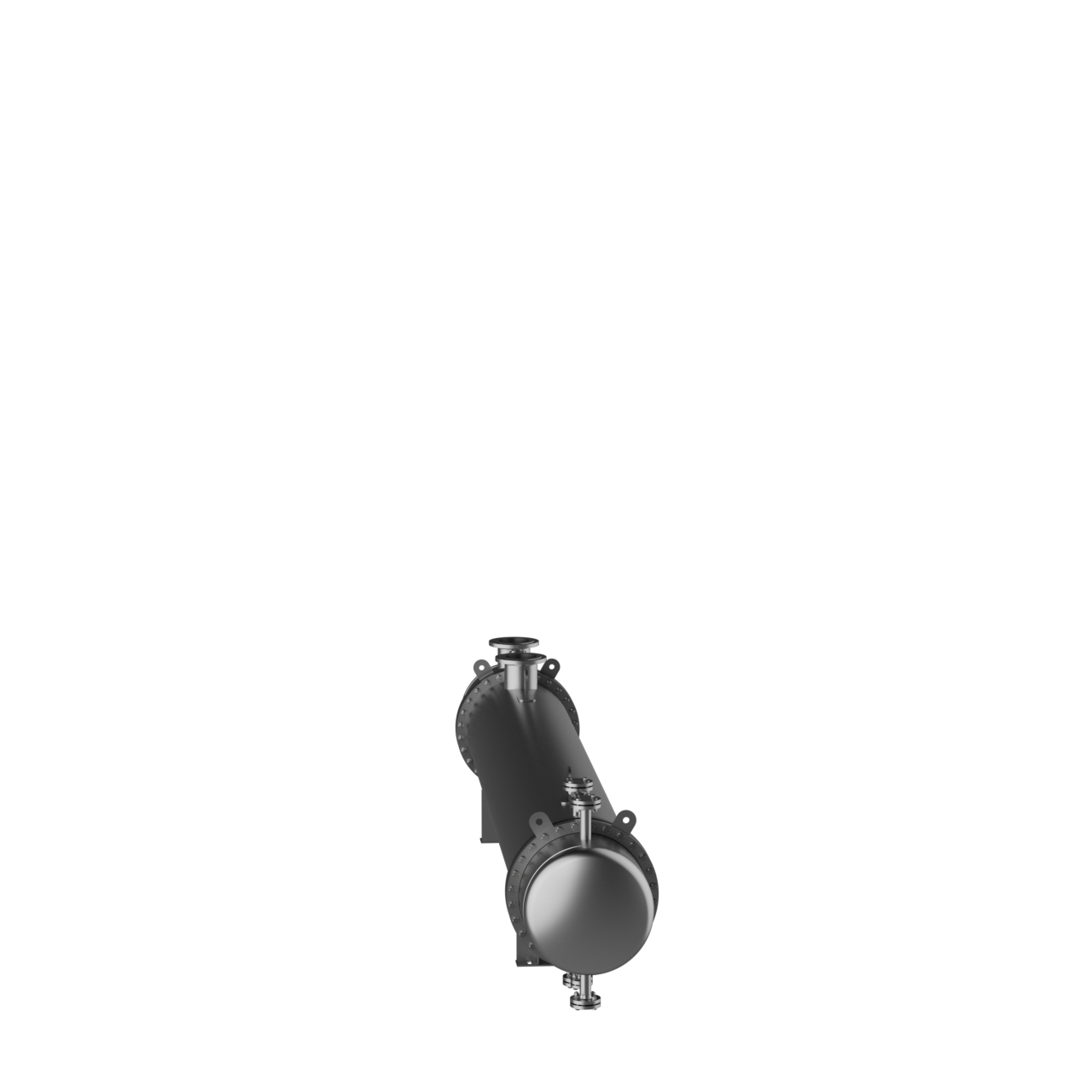
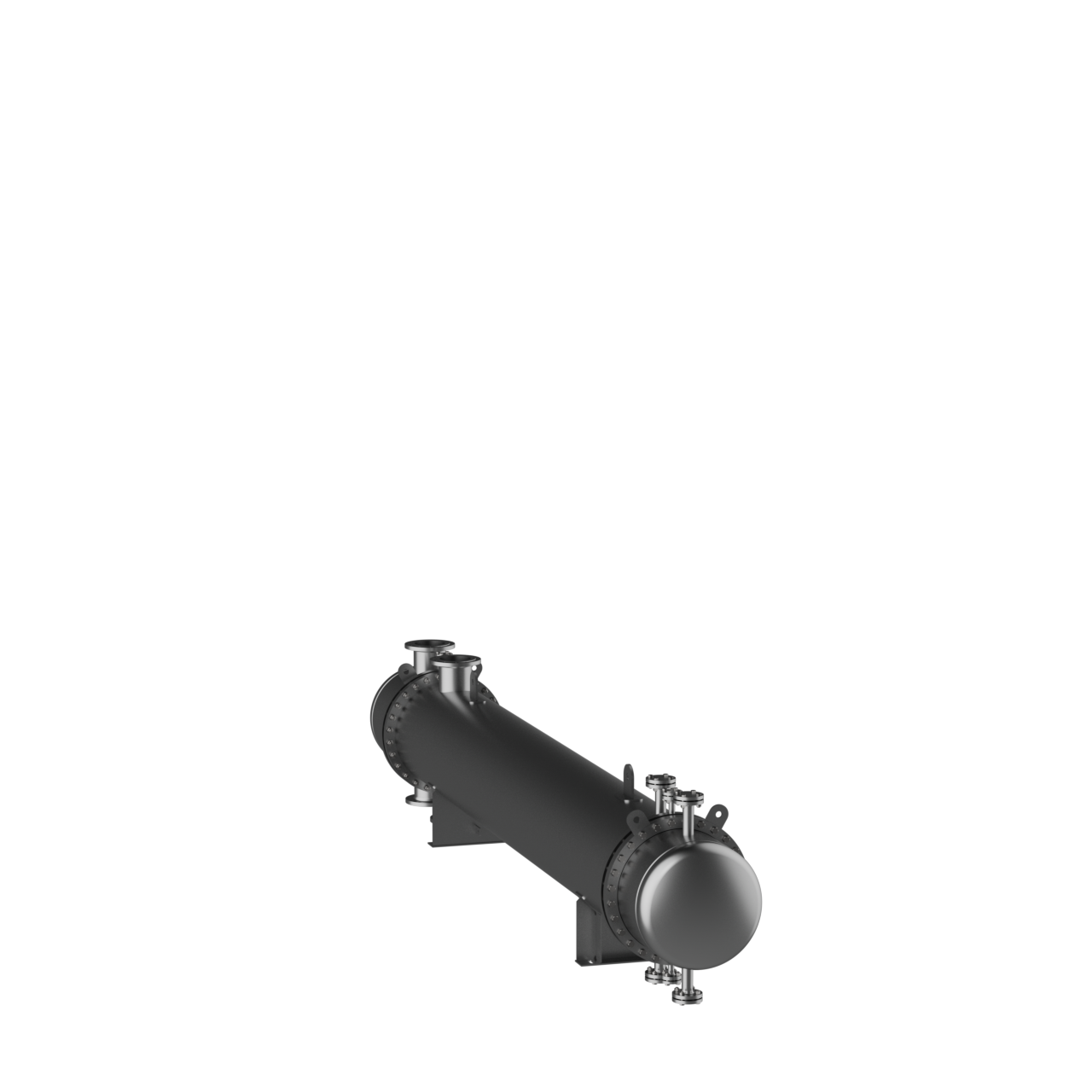
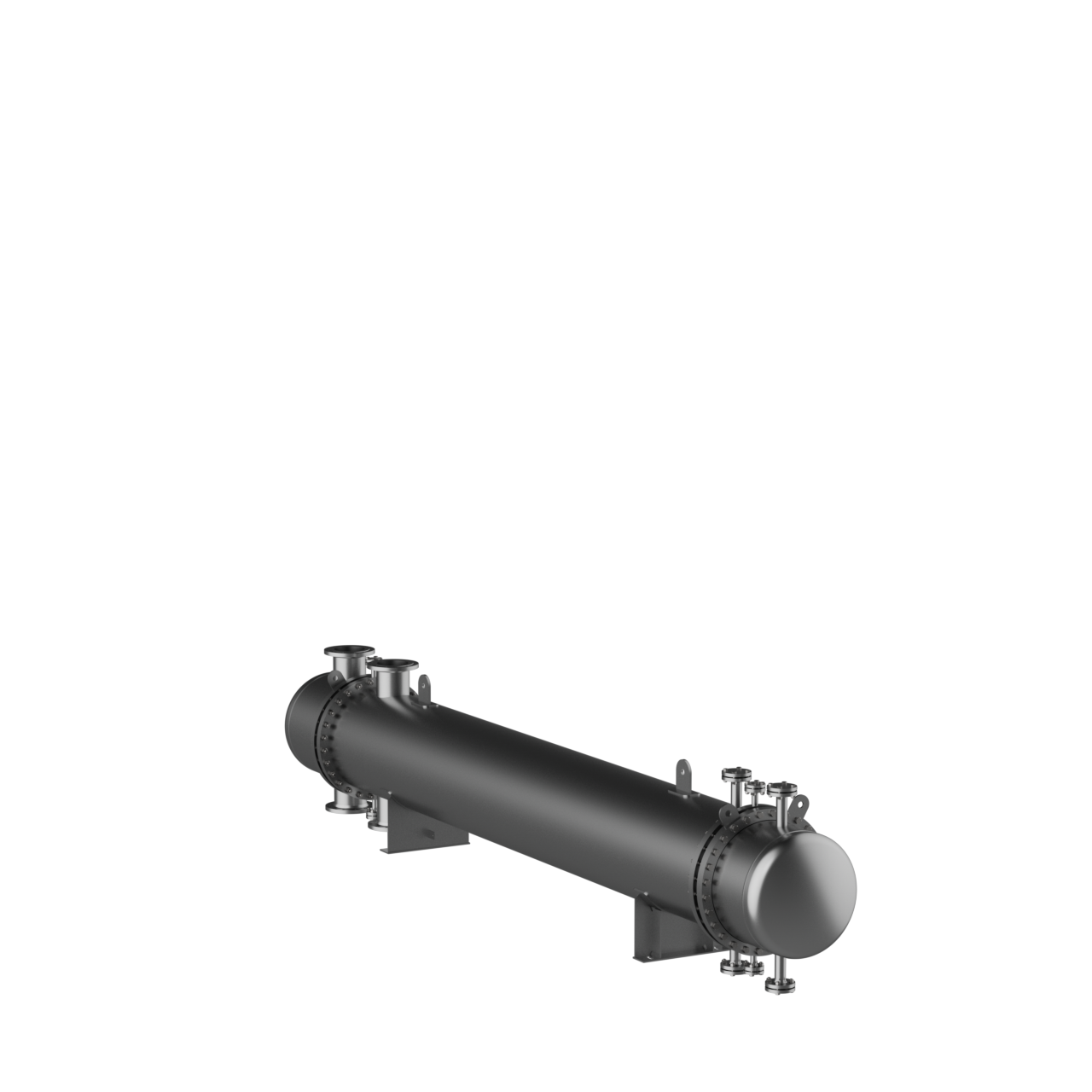
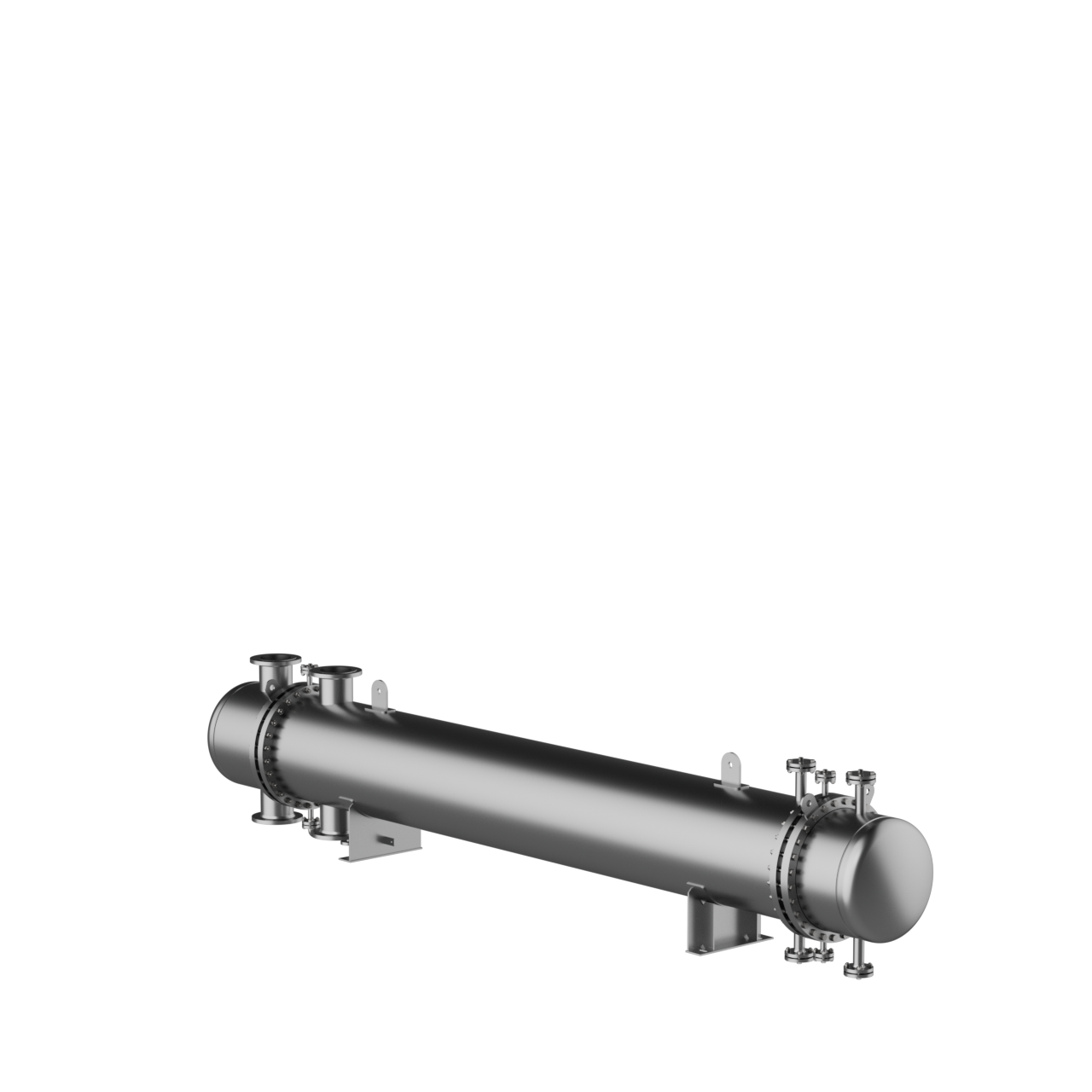
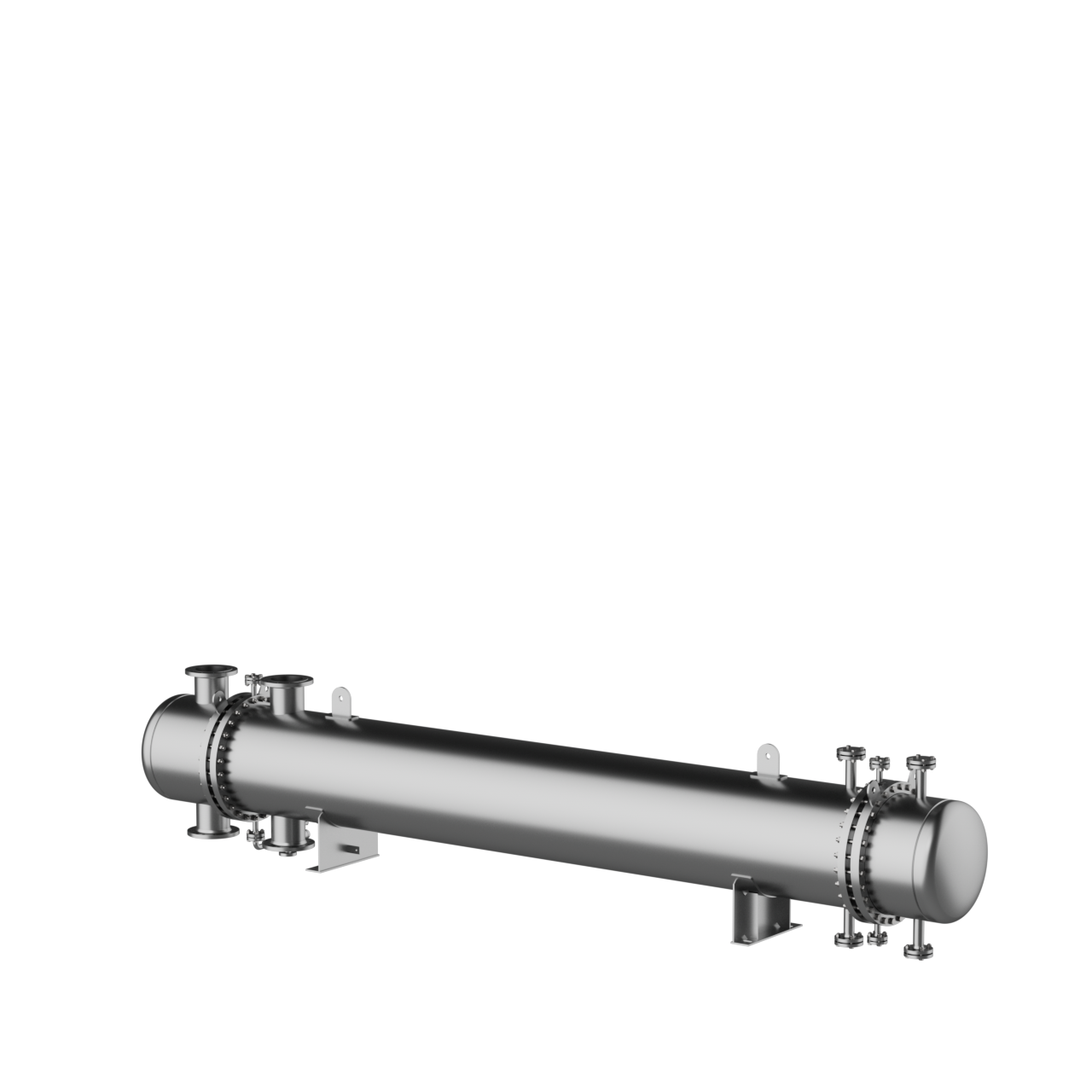
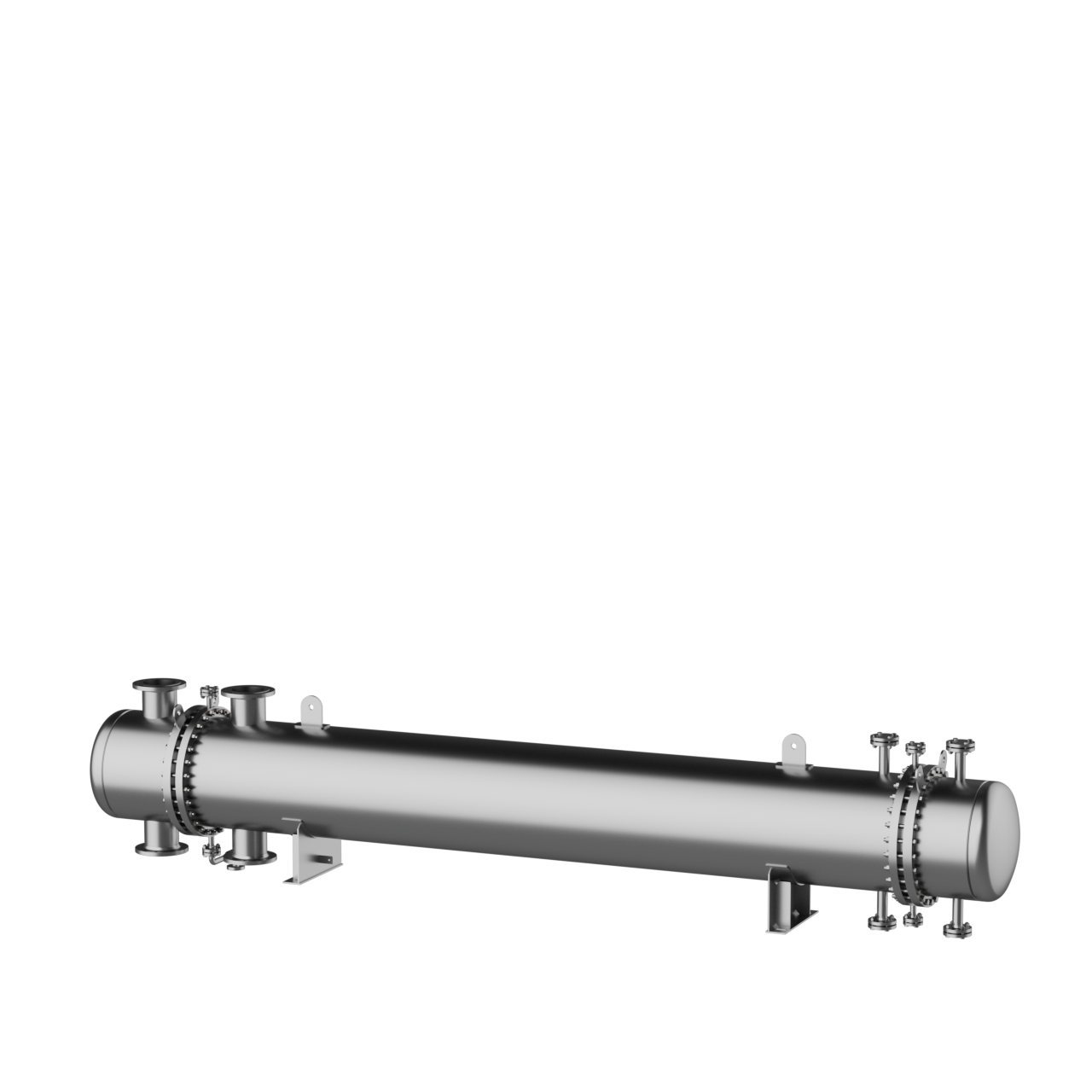
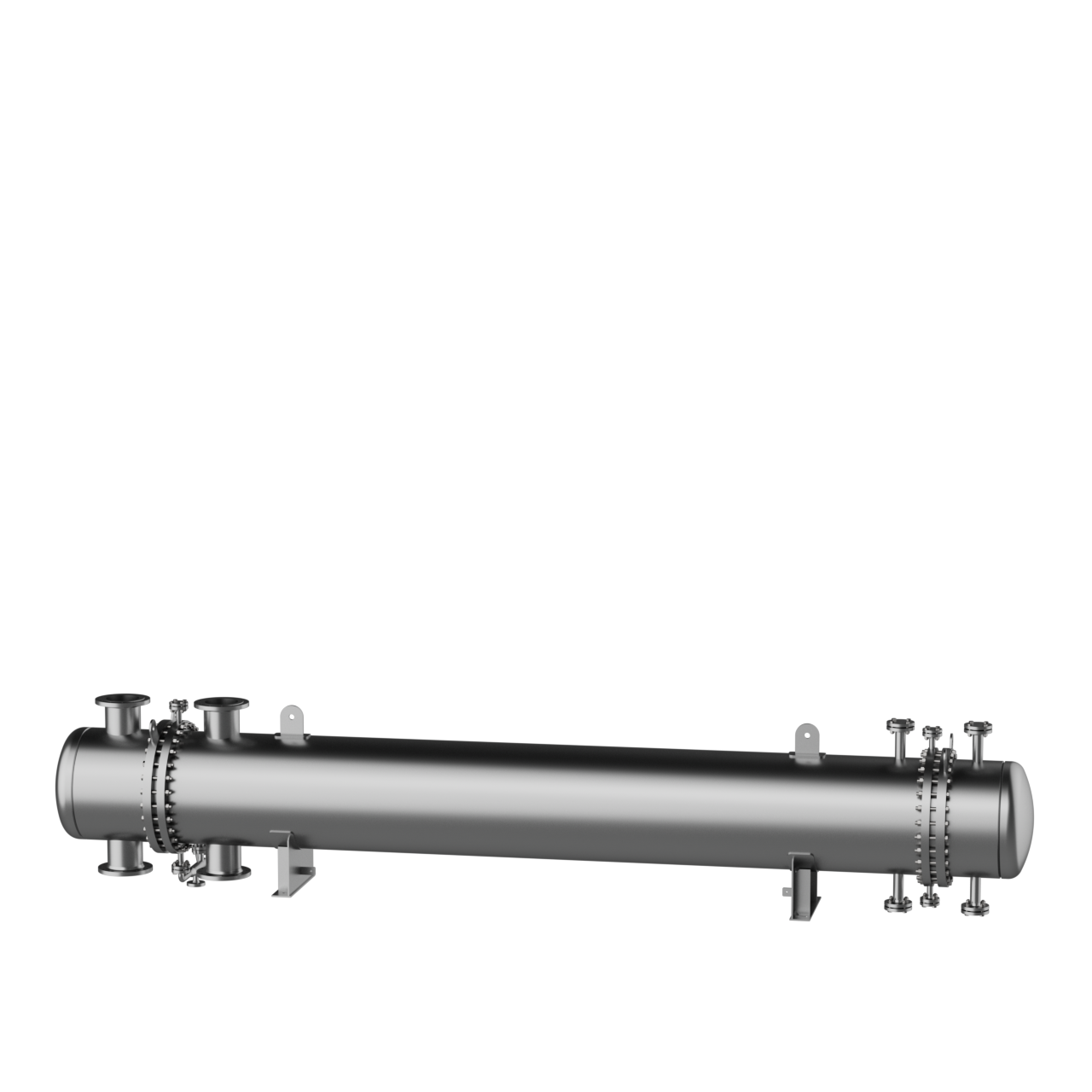
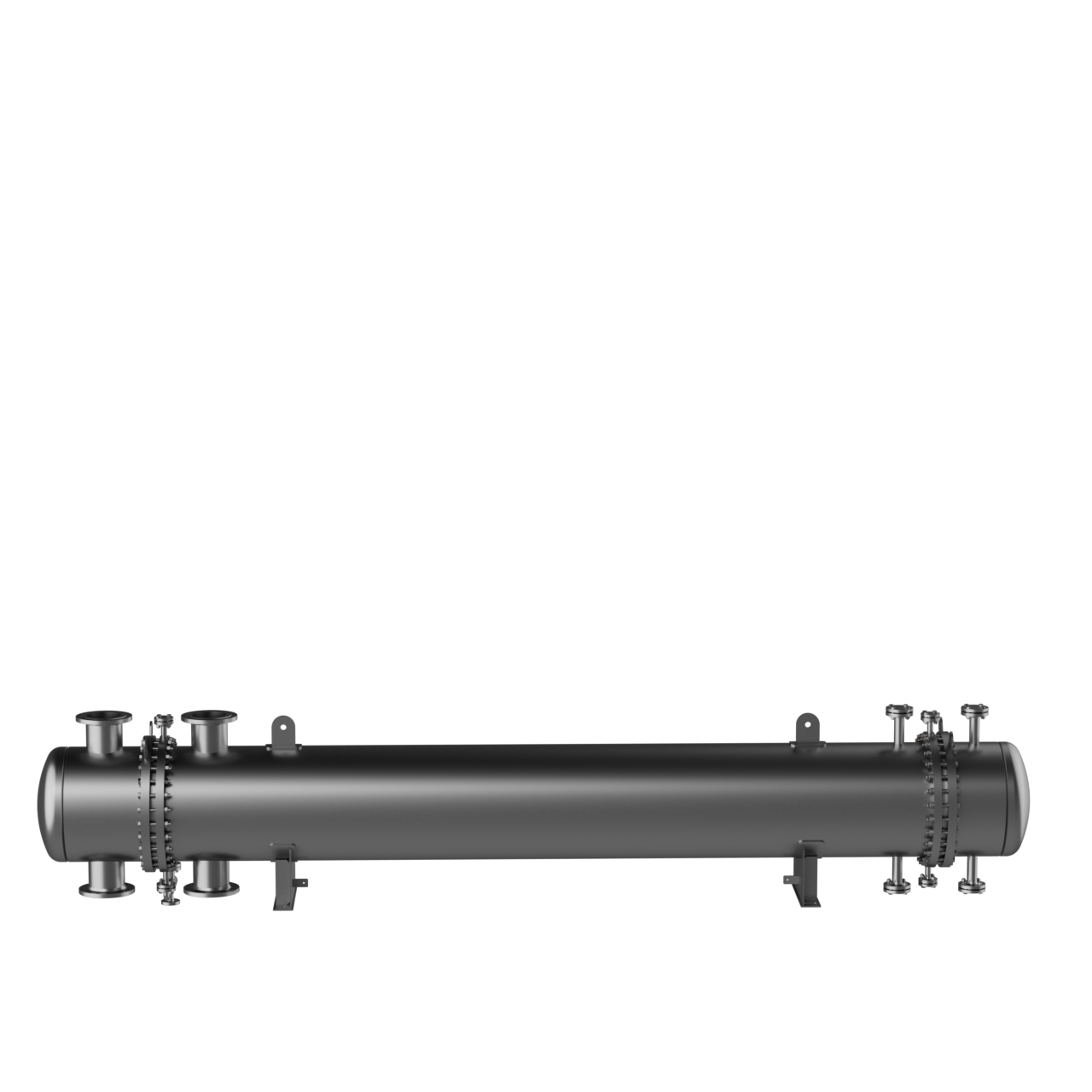
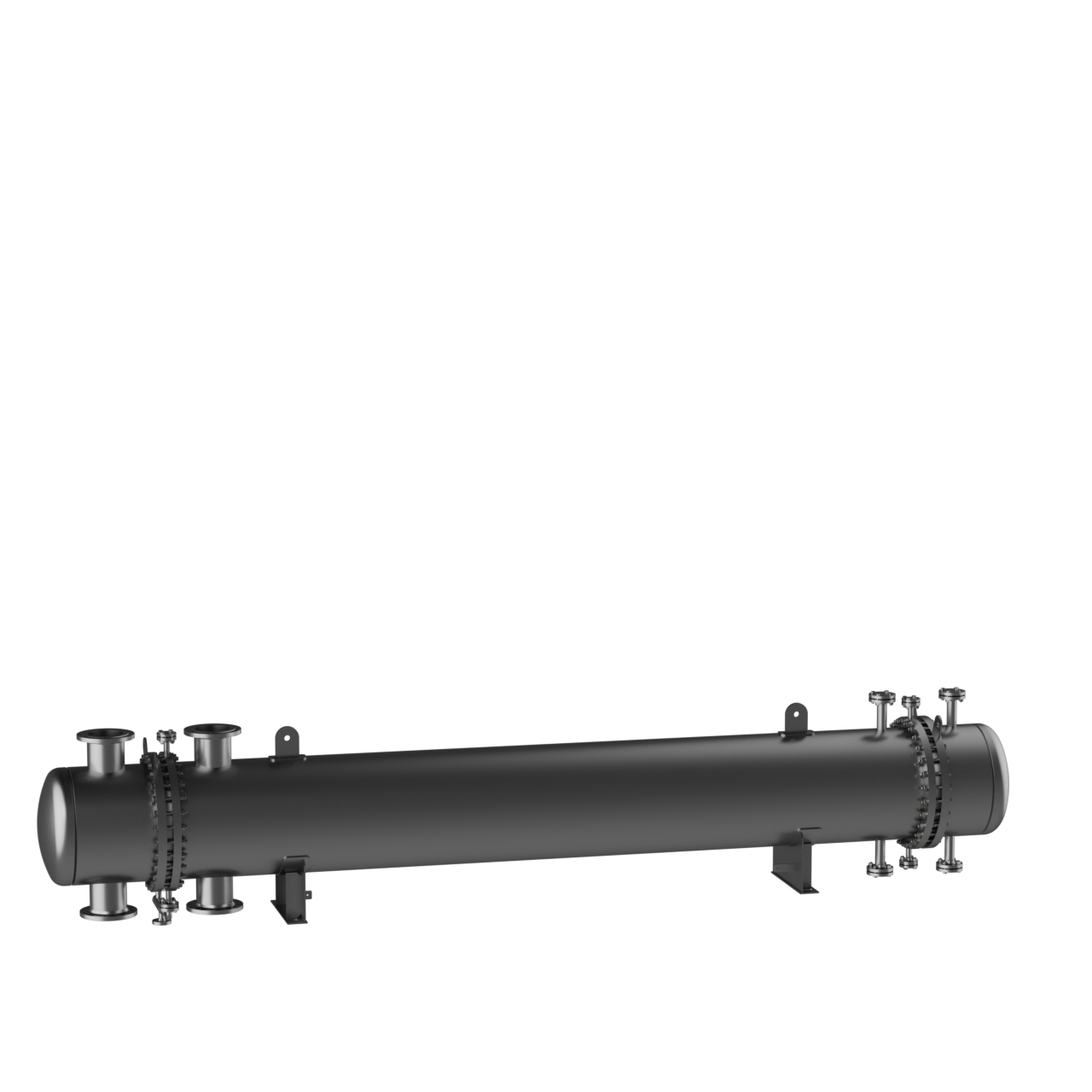
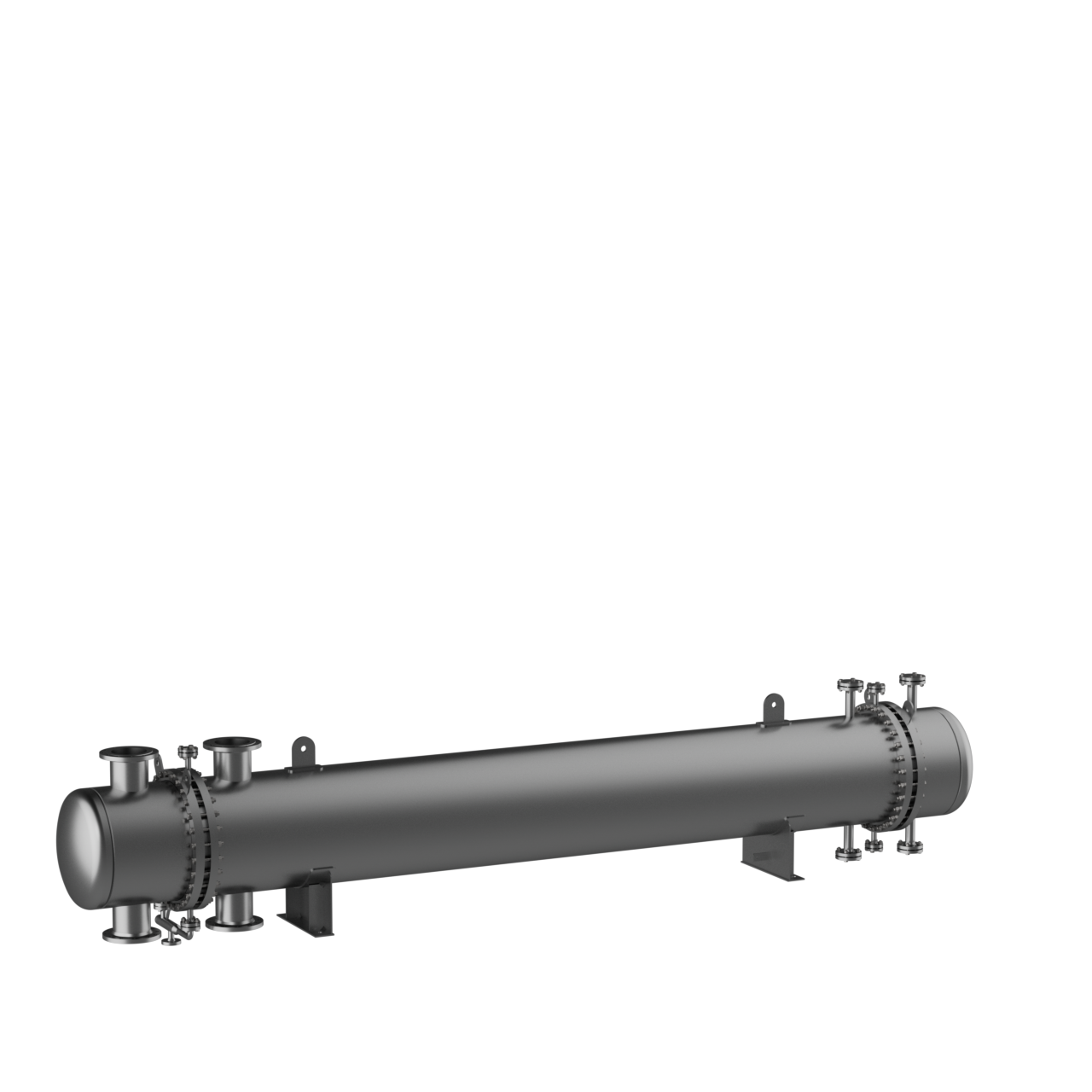
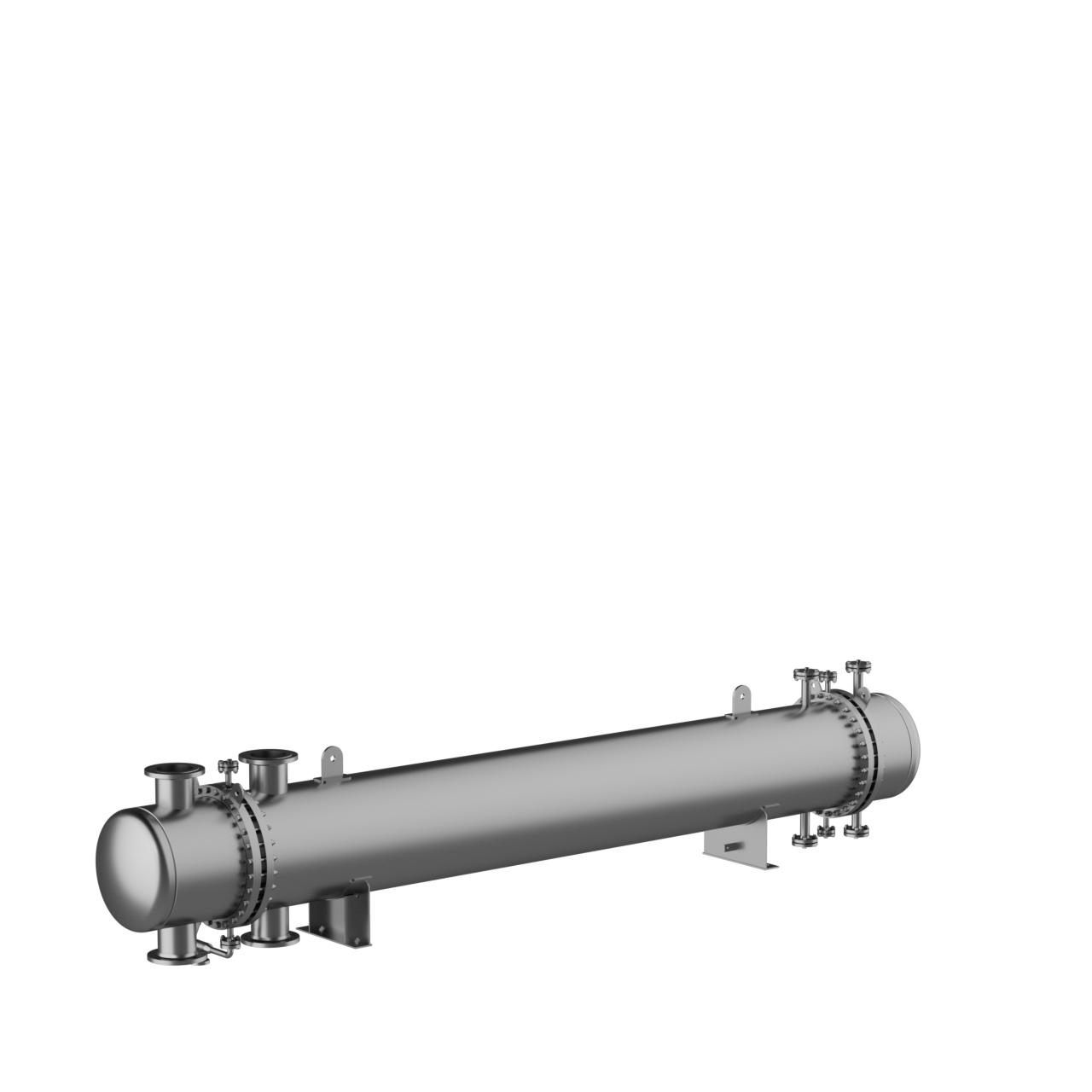
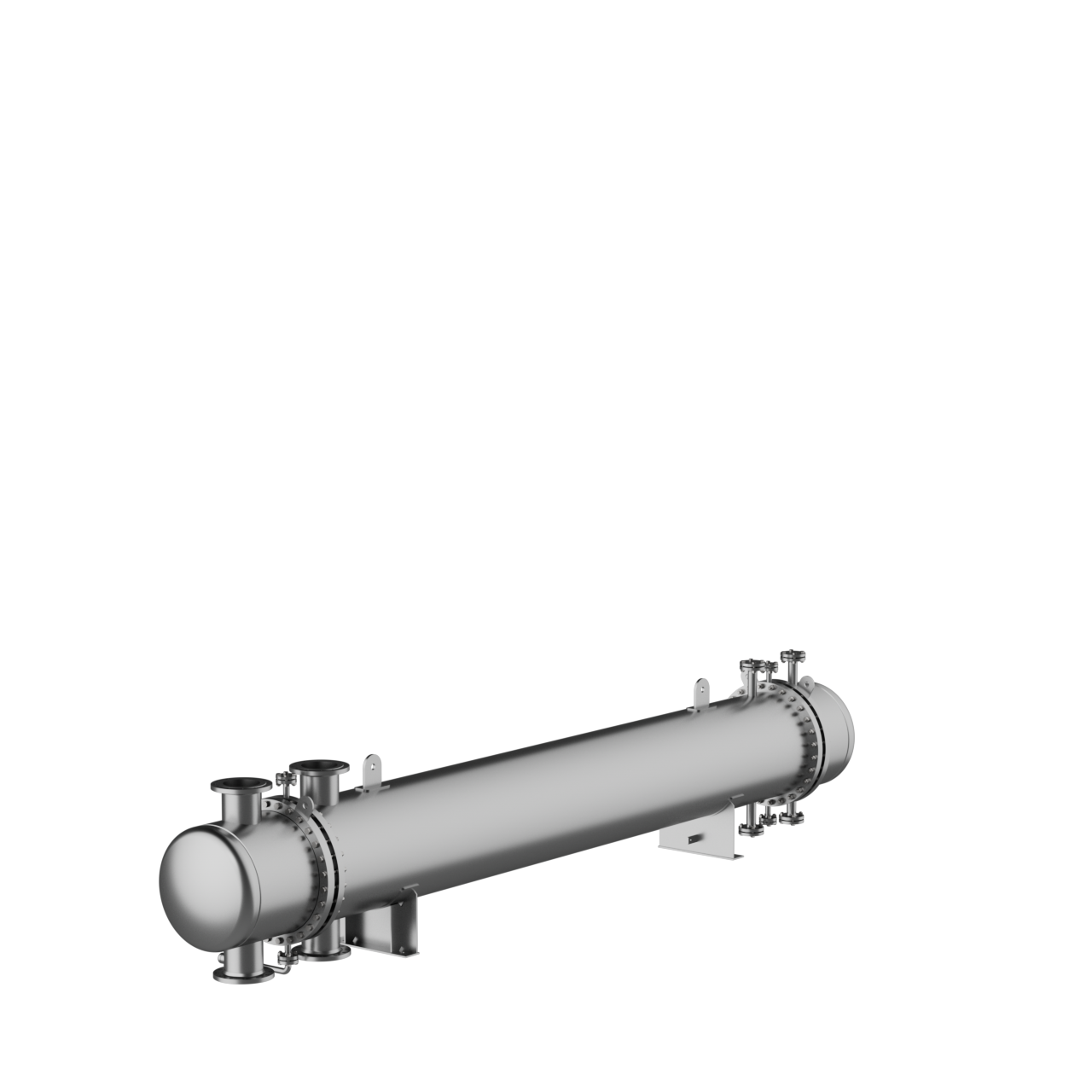
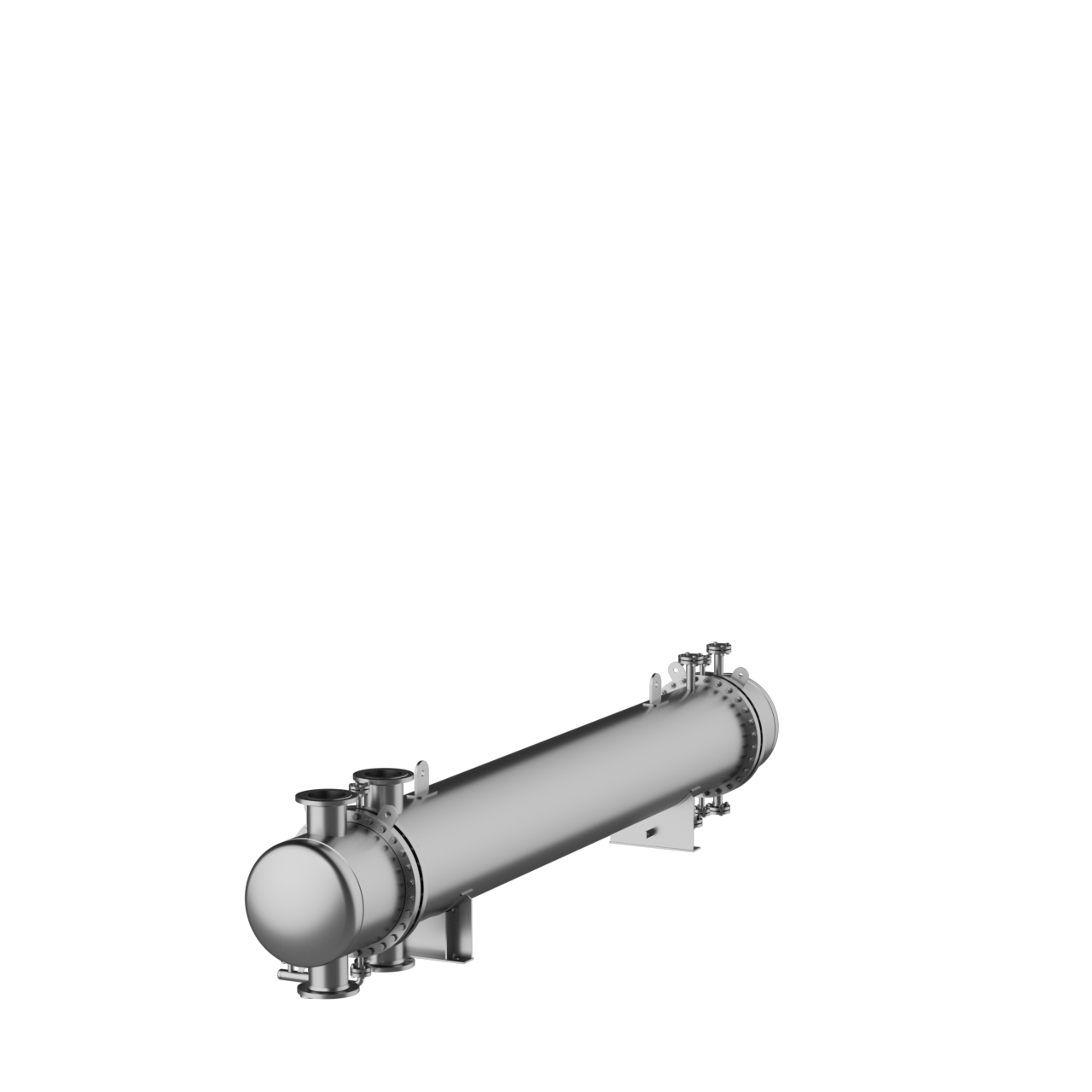
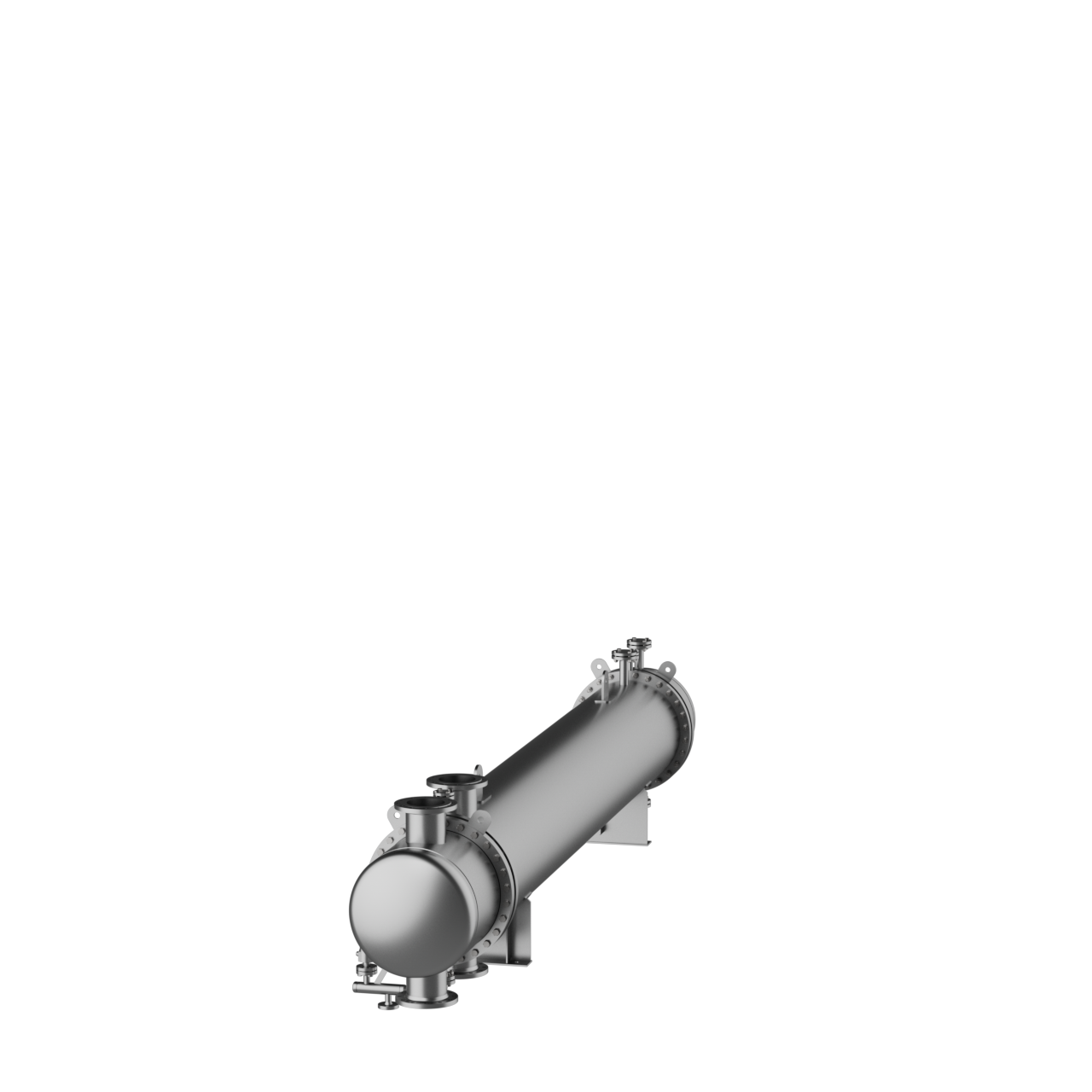
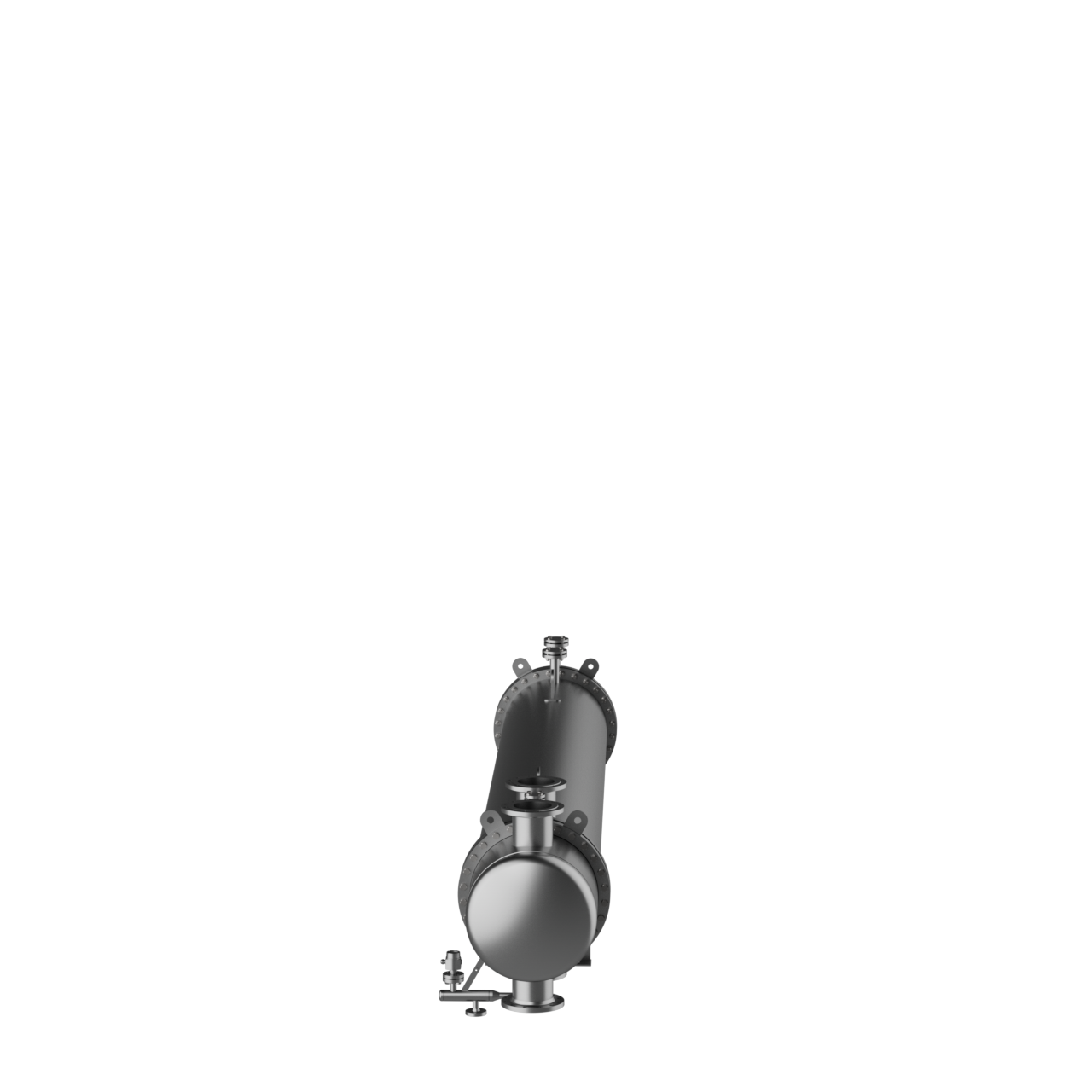
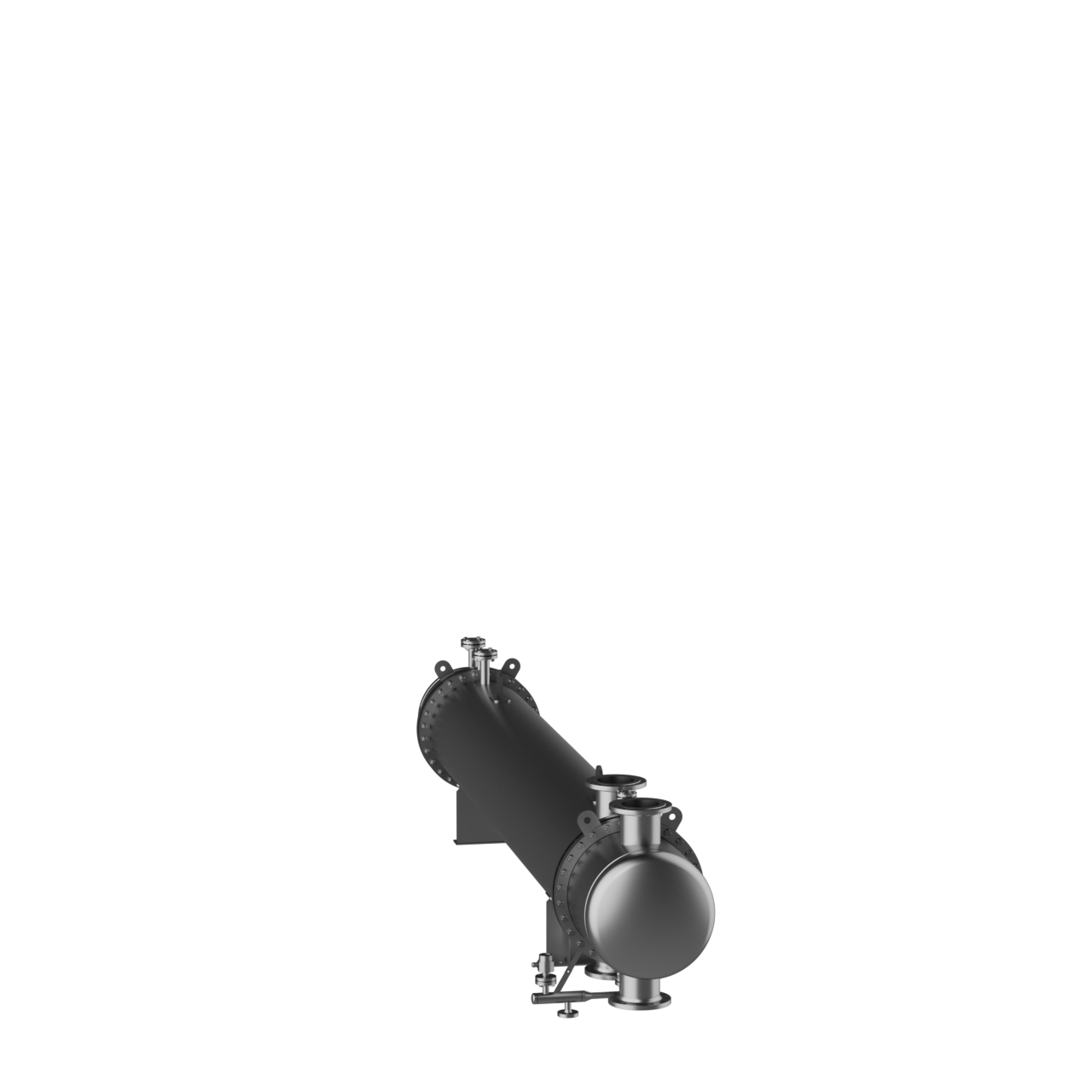
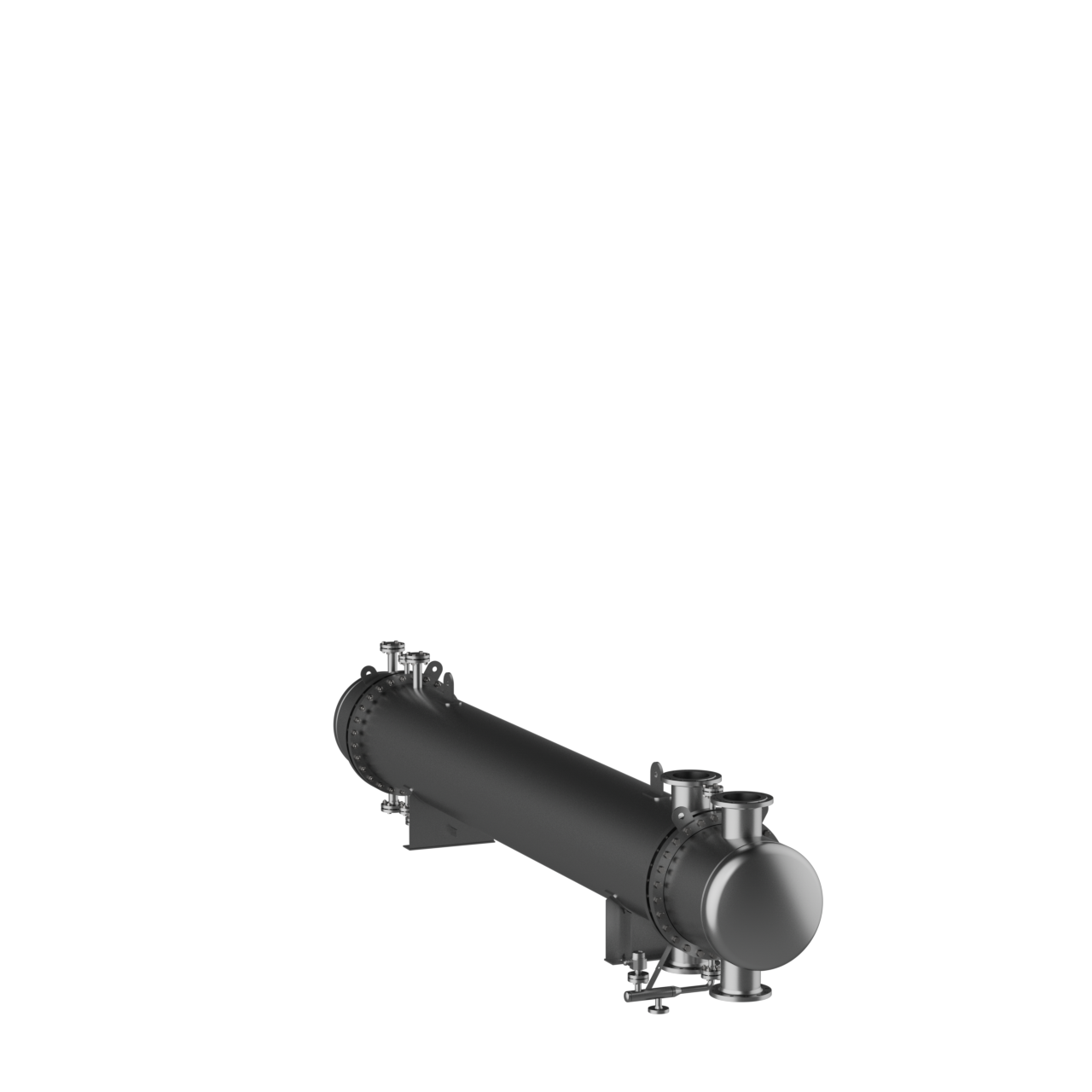
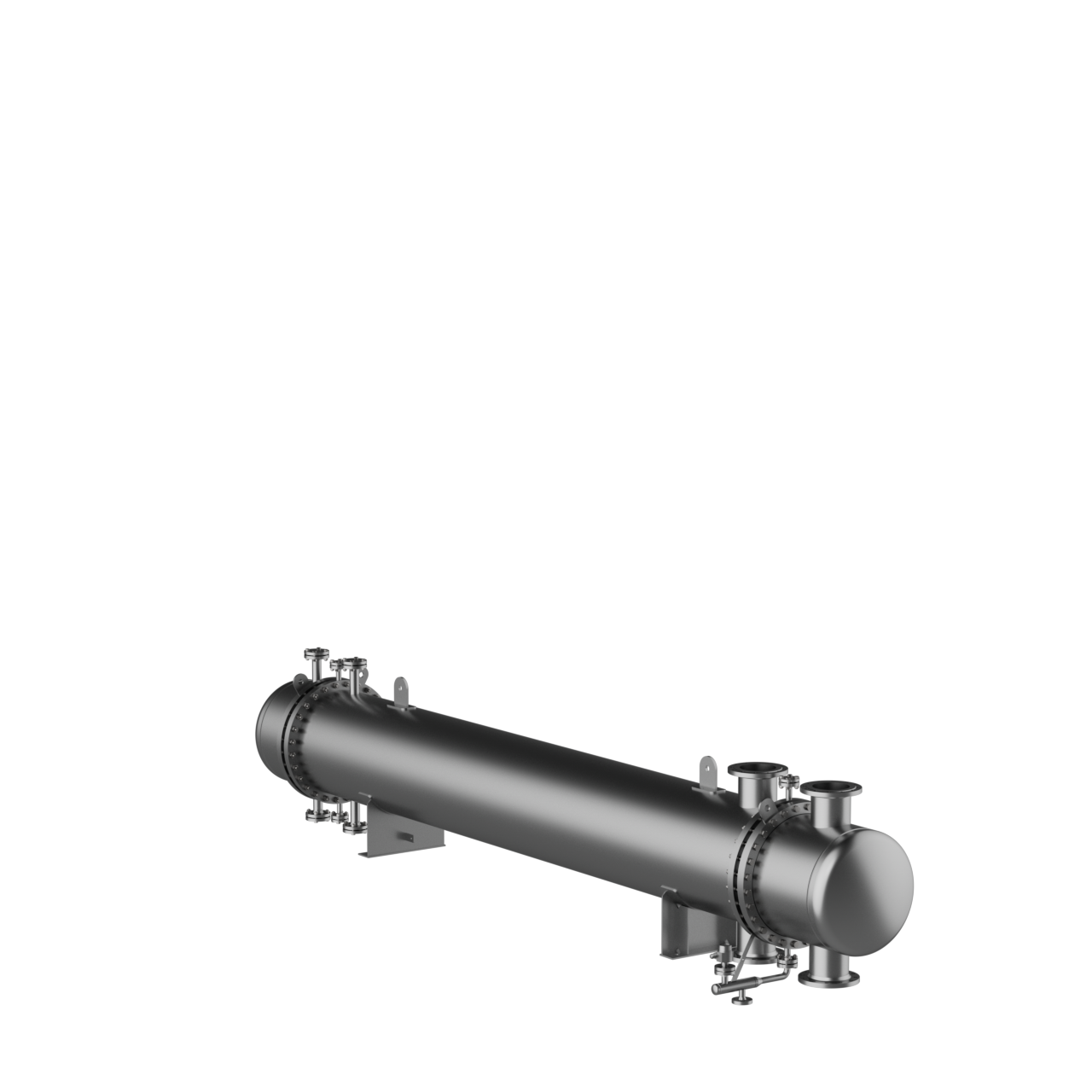
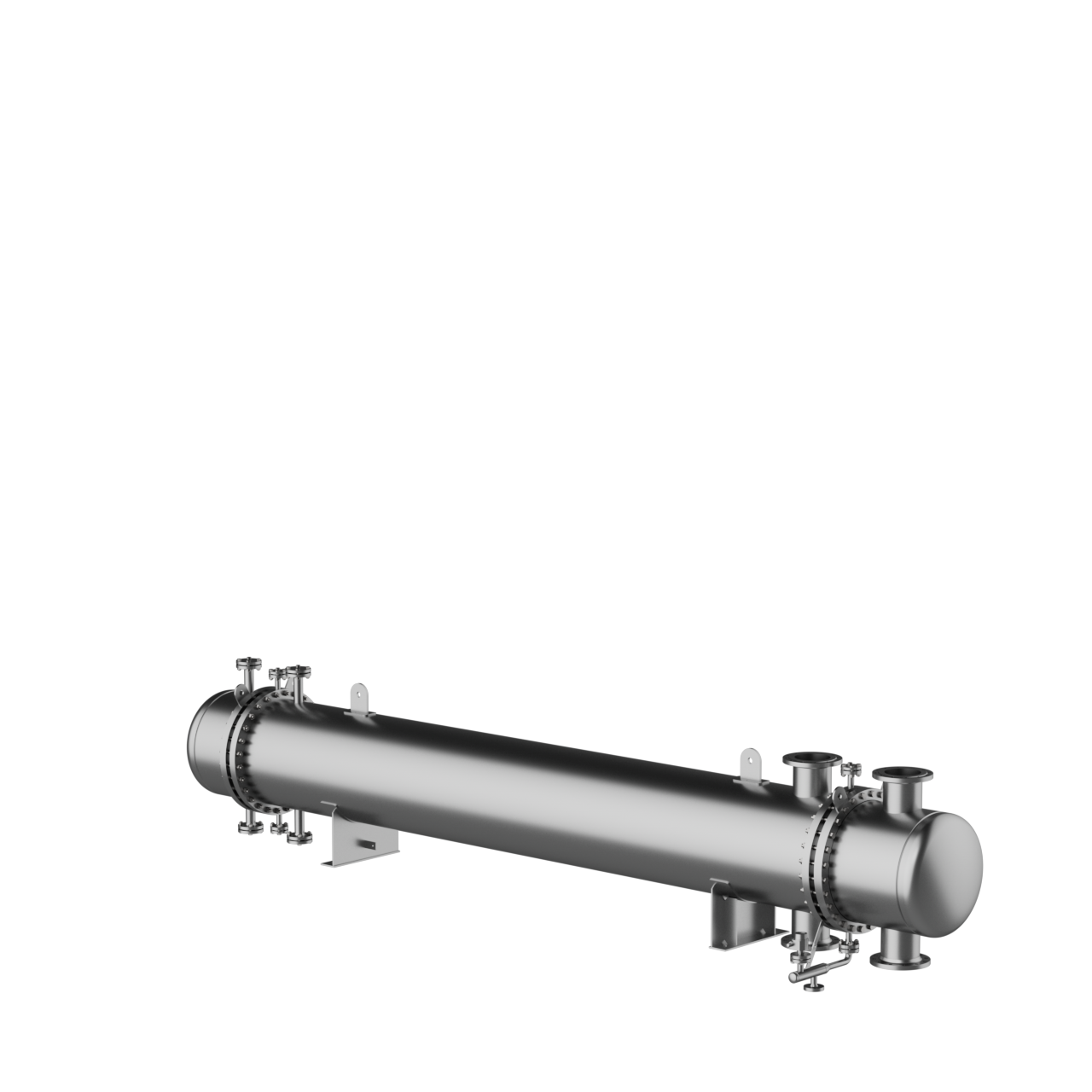
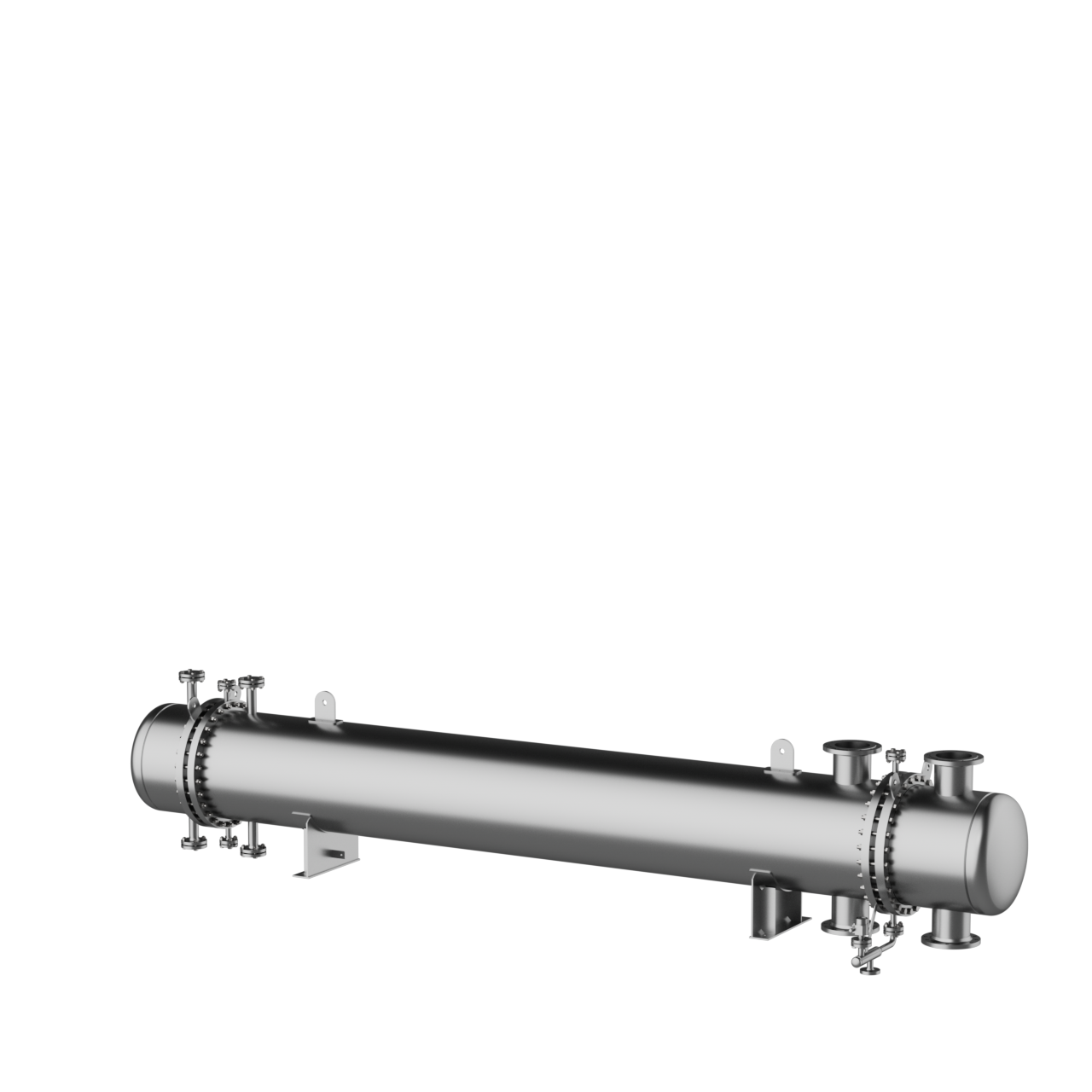
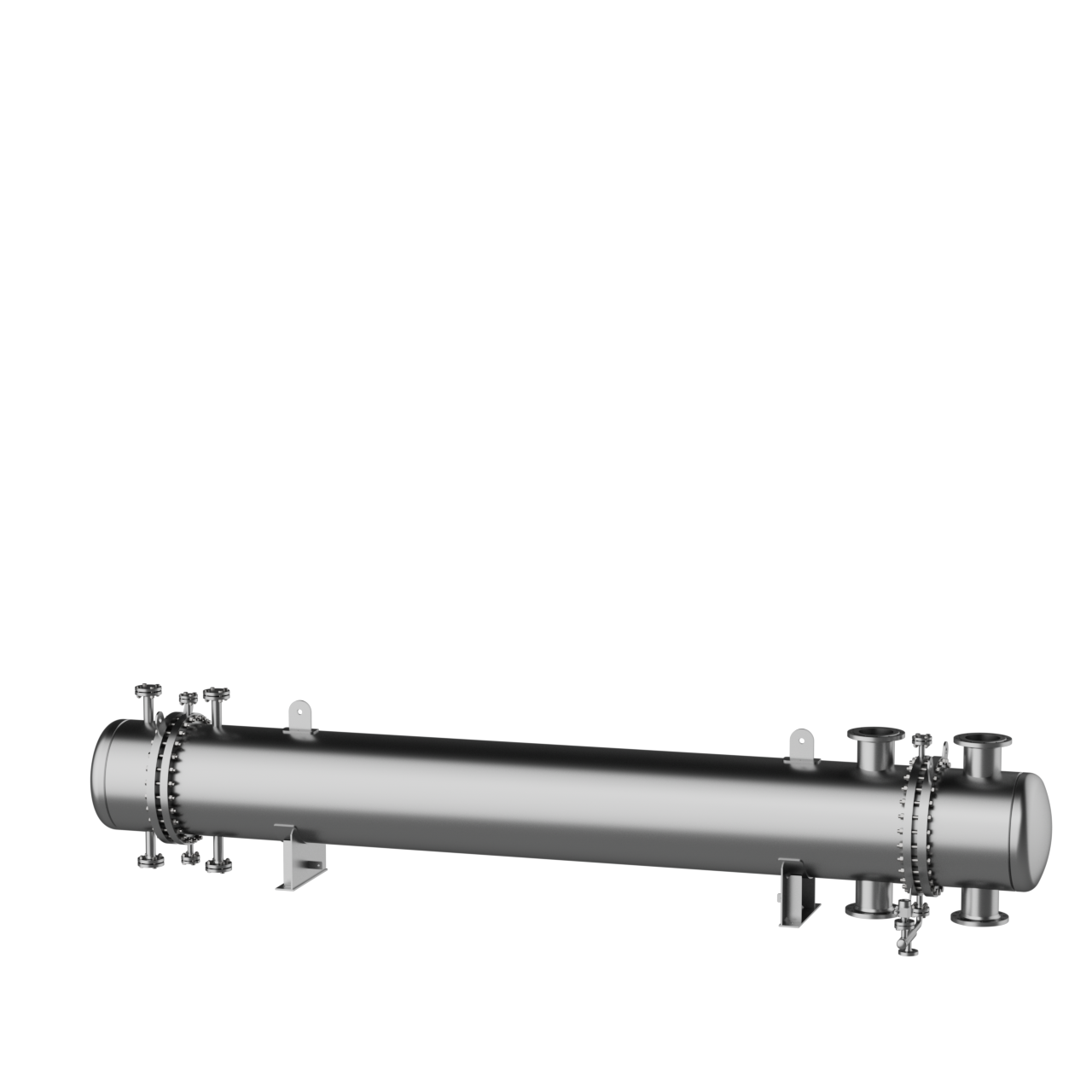
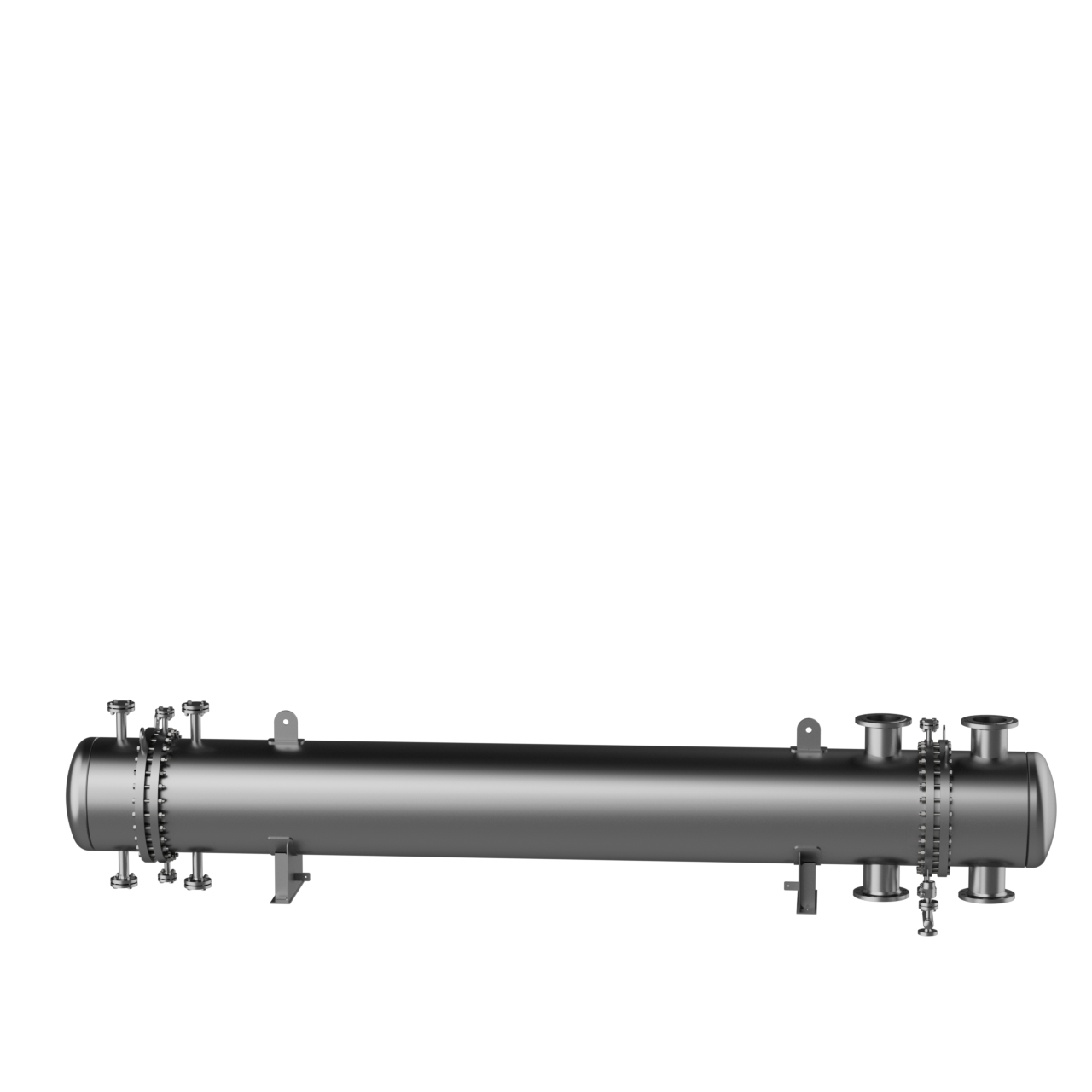
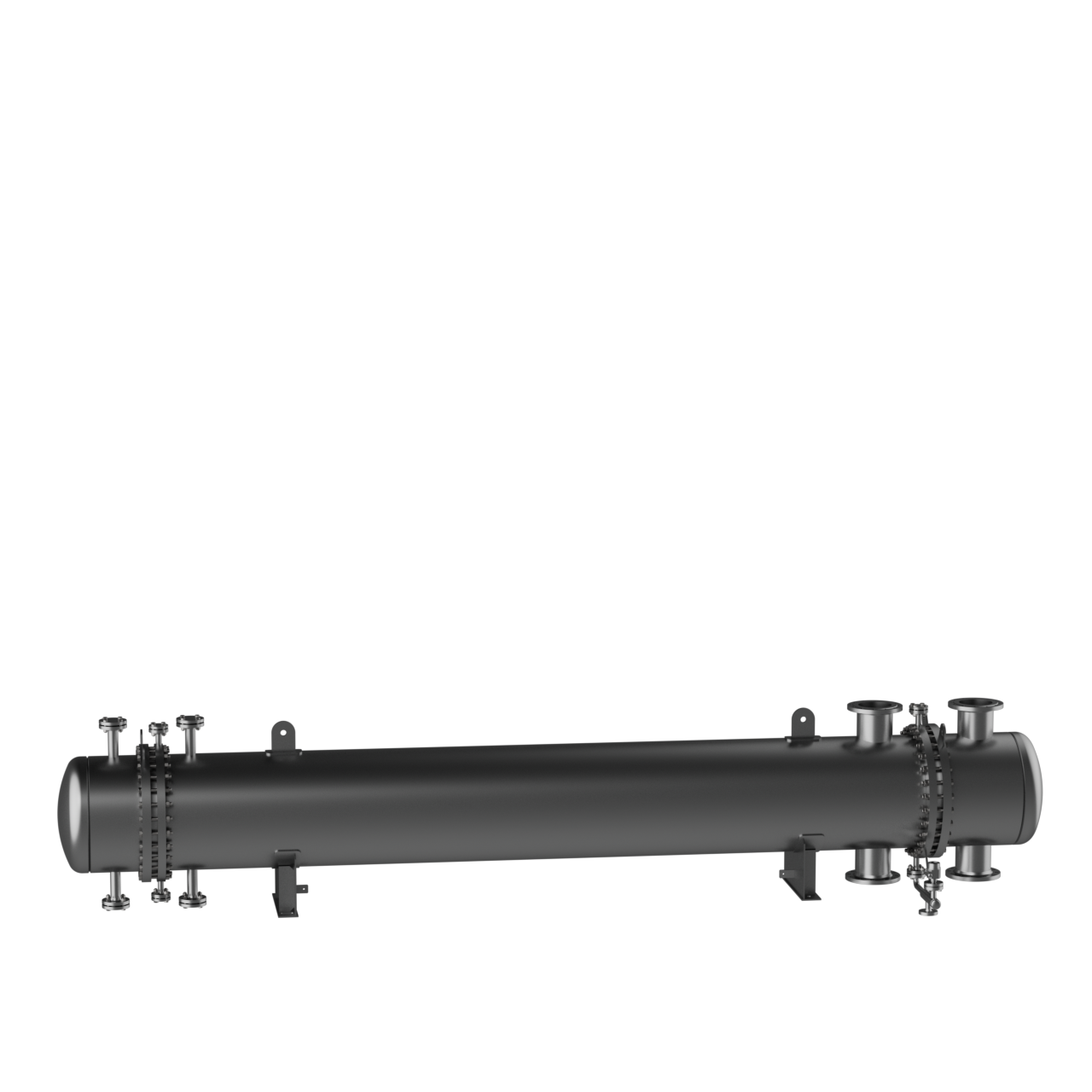
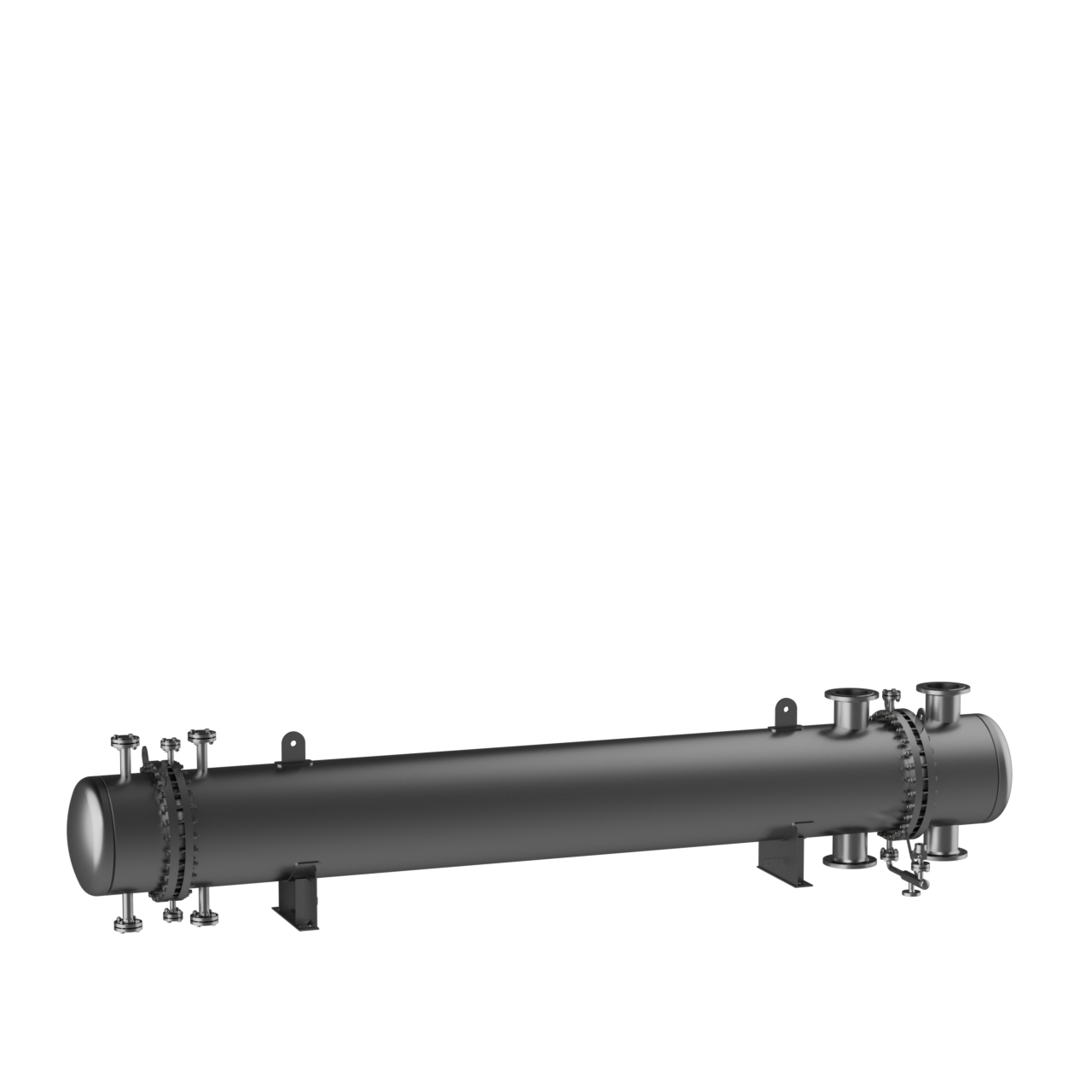
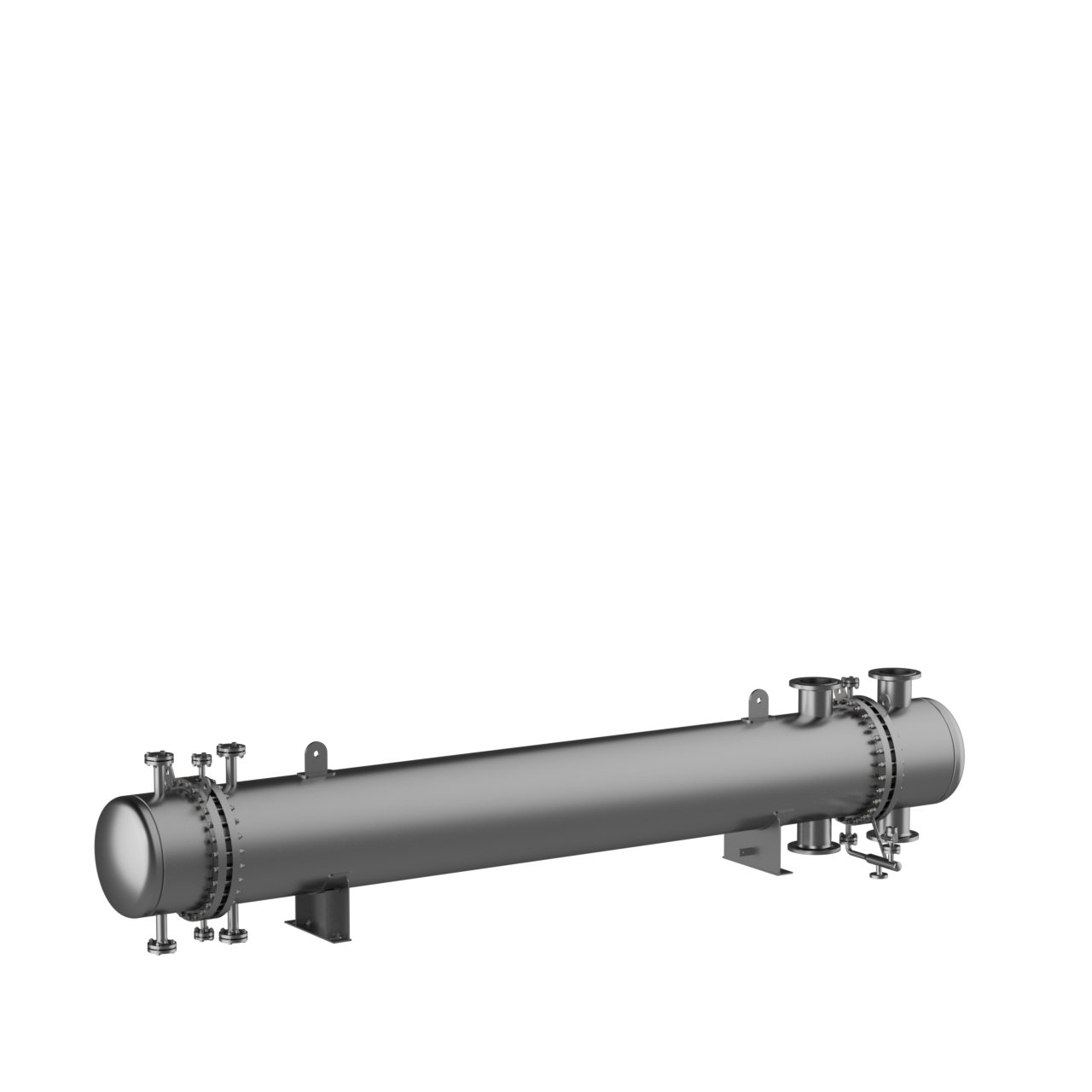
The safety heat exchangers from ZILONIS Energy Solutions create a safety chamber through double tubes in double tube sheets that prevents contamination of the flowing medium even in case of leakage.
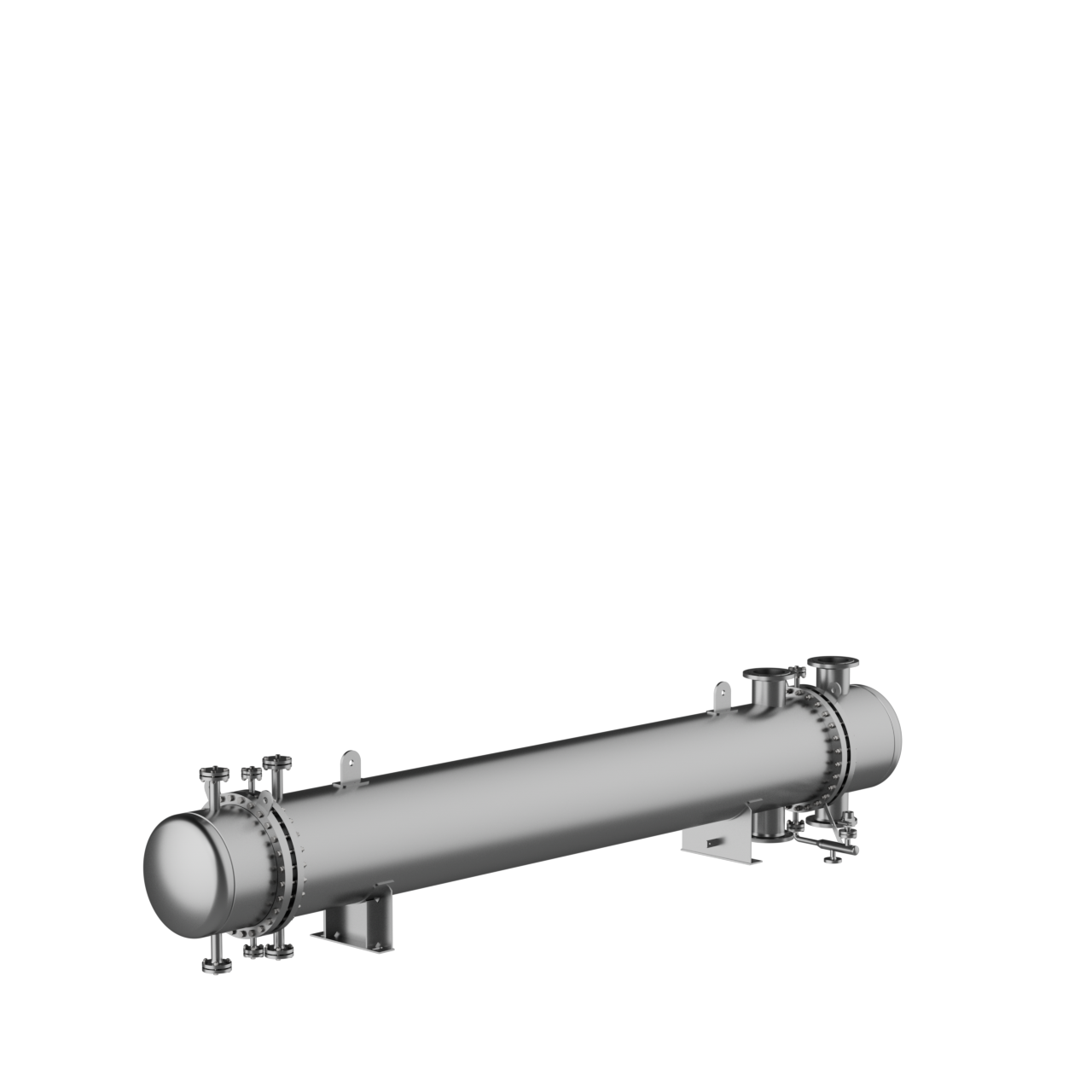
Description
Type GVSI: To achieve good heat transfer in your safety heat exchanger, the inner tube is pressed against the internally twisted outer tube through hydraulic expansion.
Alternatively, heat transfer in your safety heat exchanger can be optimized by using a neutral liquid in the safety chamber. If a leak occurs in the safety heat exchanger, the pressure in the safety space increases and triggers an optical or acoustic alarm signal.
Repair or replacement of the safety heat exchanger is plannable; an emergency shutdown is not required.
Safety Chamber Through Double Tubes and Double Tube Sheet
The design principle of ZILONIS Energy Solutions safety heat exchangers prevents mixing of media in case of leakage of the tube/tube sheet weld connection. By using surface-treated materials, this variant can also be manufactured as a sterile heat exchanger.
During continuous operation of safety heat exchangers, leaks due to corrosion or erosion processes are to be expected. Tube wall breakthroughs may result. In such a case, the products on the tube side and shell side would mix. To prevent this, double tubes are used in the safety heat exchanger, which are rolled or welded to double tube sheets.
This creates a safety space that prevents mixing of tube-side and shell-side media in the safety heat exchanger. To simultaneously reduce the resulting heat transfer resistance and thus the additional space requirement, the gap is filled with a neutral liquid. This design is particularly suitable for coolers operated at relatively low temperatures.
Design Principle
More elaborate but more widely applicable is the following technique, which is increasingly being used. The outer tube is already provided with a twisted profile on the inside by the tube manufacturer. The corresponding inner tube is smooth on both sides, and its outer diameter is approximately 1/10 mm smaller than the inner diameter of the outer tube.
After assembly of the safety heat exchanger, the inner tube is hydraulically expanded at a pressure of approximately 500 to 600 bar. This creates metallic contact in the area of the twist ribs. However, the small intermediate channels remain free and allow possible leakage quantities to pass through to the plate space and leak detection device of the safety heat exchanger by pressure or level.
Thus, there is no direct danger of product mixing. Compared to an apparatus with a conventional single tube, more surface area is required, with the surface area depending on shell-side and tube-side transfer values and therefore being 50 to 100% higher.
Application Examples
Oil coolers for heavily loaded bearing lubrication as well as product final coolers in chemical plants and refineries – due to the water hazard of the media to be cooled, mixing of product and water must be excluded.
Steam-heated domestic water heaters – The penetration of steam into the domestic water must be prevented, as otherwise there is a risk of overheating or scalding.
Thermal oil-heated steam generators – Water can penetrate into the hot thermal oil and evaporate explosively.
By using surface-treated materials and special construction, these apparatuses can also be manufactured as sterile heat exchangers. Special care is taken in the selection and design of the apparatus flange gasket.
ANWENDUNGSSPEZIFISCH
Ihre Märkte sind unsere Märkte. Jährlich verlassen über tausend Produkte ZILONIS, die weltweit eingesetzt werden, um die anspruchsvollsten Herausforderungen zu meistern.

/chemie-und-petrochemie.jpg)
/energietechnik.jpeg)
/pharmaindustrie.jpg)
/gebaeudetechnik.jpeg)
/holz-und-papierindustrie.jpeg)